
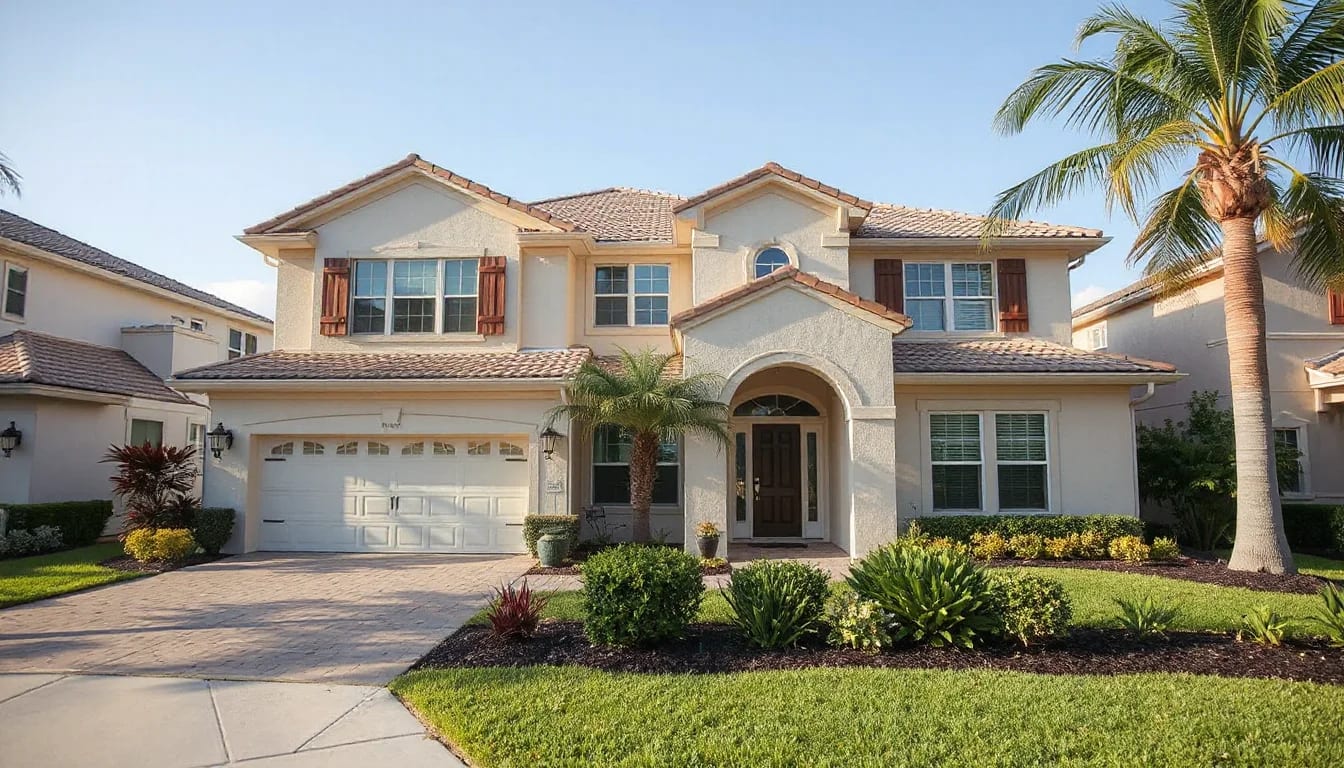
A Deerfield Beach property can have rental appeal, but the purchase price is only one part of the equation. Before making an offer, compare realistic rent expectations with association rules, operating costs, insurance, maintenance, and the time required to manage the home. A careful review helps you choose a property whose rental plan works on paper as well as it does in person.
Start With the Rental Strategy, Not the Listing Price
Buying a property with rental income in mind begins with a clear plan. Some owners want a long-term lease with predictable occupancy and fewer turnovers. Others are considering furnished seasonal stays, while some may want the flexibility to use the property personally at certain times of year. Each approach can produce a very different income pattern, expense profile, and management workload.
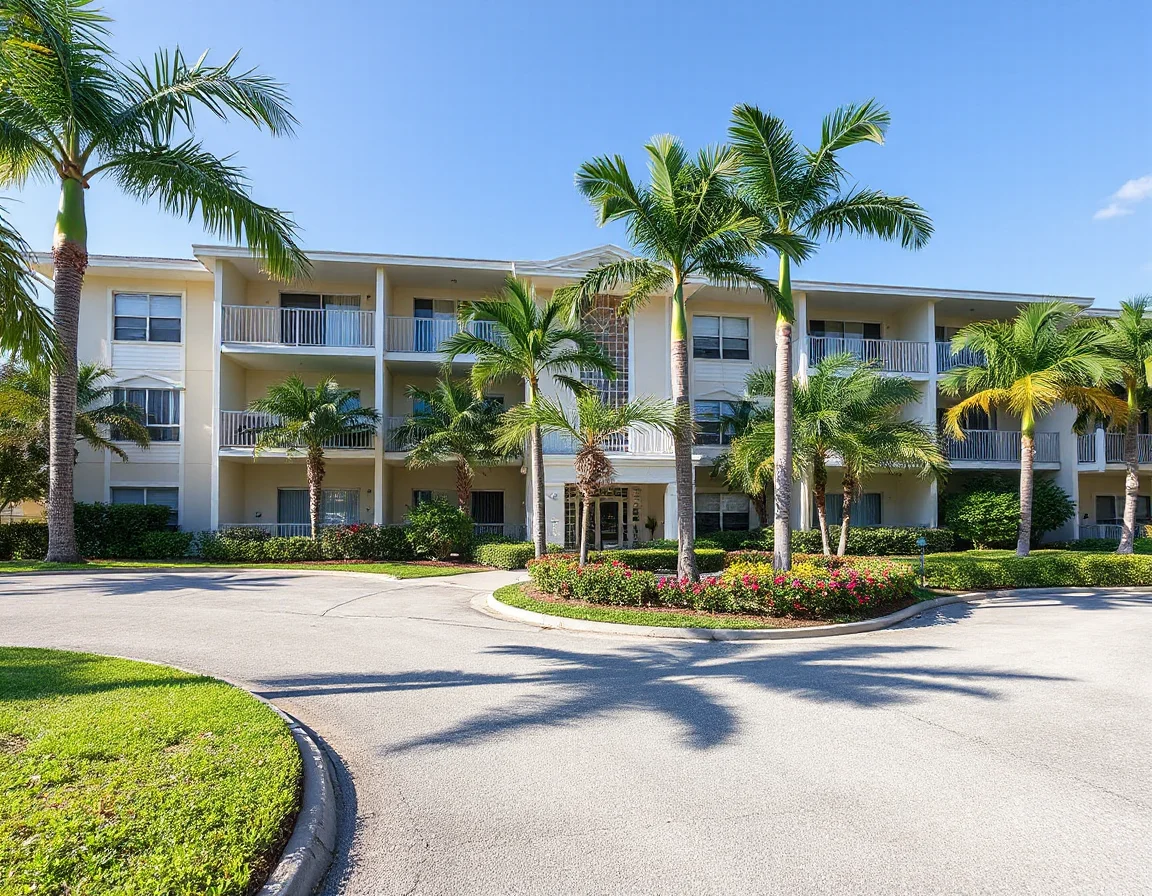
Instead of relying on a single advertised rent amount, build a range. Look at comparable properties with similar bedroom counts, condition, parking, outdoor space, furnishings, and proximity to local amenities. A renovated condo with a balcony may command a different rate than a similarly sized unit with older finishes or more restrictive leasing terms. Ask whether the comparable rentals are truly active, recently leased, or simply aspirational listings that have remained available for an extended period.
Rental potential is also shaped by timing. South Florida demand can vary through the year, and a property that performs strongly during one period may require a different pricing strategy during another. For a long-term plan, focus on sustainable monthly rent rather than an unusually high short-term peak. For a furnished or seasonal plan, account for vacancy between stays, furnishing replacement, cleaning, booking platforms, and more frequent maintenance.
A useful underwriting worksheet includes a conservative rent estimate, a likely rent estimate, and a vacancy reserve. The property should make sense under the conservative scenario—not only under the best-case number.
It is also important to separate gross rent from usable income. Monthly rent can sound compelling until recurring costs are included. Property taxes, insurance, condominium or homeowners’ association dues, utilities paid by the owner, landscaping, pool care, pest control, repairs, and professional management can all affect the final result. A reserve for air-conditioning service, appliance replacement, plumbing repairs, and storm preparation helps create a more realistic picture.
Read Association and Local Rental Rules Early
In Deerfield Beach, a condominium or community association can be one of the most important factors in a rental purchase. The association documents may address whether leasing is permitted, how long a lease must be, how many times a home may be rented in a year, whether tenant approval is required, and whether there is a waiting period after purchase before an owner can lease the property.

These details should be confirmed before the inspection period ends, not assumed from a listing description. Request the governing documents, current budget, recent meeting minutes, application forms, rental policies, and information about pending assessments. Minutes can be especially revealing because they may identify building projects, insurance discussions, maintenance concerns, or policy changes that influence future costs and rental operations.
Shorter-term rental plans deserve extra attention. Municipal requirements, registration rules, occupancy standards, tax obligations, association restrictions, and insurance provisions can all apply. Rules can change, so buyers should verify current requirements with the appropriate local offices, the association, and qualified legal or tax professionals when needed. A home should never be purchased on the assumption that a certain rental model will be allowed without written confirmation.
Insurance is another practical checkpoint. Coastal South Florida ownership may involve windstorm coverage, flood considerations, deductibles, and carrier requirements that differ from those for an owner-occupied home. If the property will be rented, confirm that the policy is designed for that use. The least expensive quote is not always the most useful if it leaves important rental-related risks unaddressed.
Association dues are not just a line item—they may include services, reserves, and building obligations that materially affect both cash flow and future ownership costs.
Explore buyer representation in South Florida
Evaluate the Property as a Working Asset
A rental property needs to be durable as well as attractive. During showings, look past staging and consider the systems that keep the home operating: roof age, windows and doors, HVAC condition, water heater, electrical panel, plumbing fixtures, appliances, drainage, and signs of moisture. Inspection findings should be translated into both immediate repair costs and a longer-term replacement schedule.
For condos, examine the building alongside the individual unit. Elevators, common-area condition, roofing, parking, exterior paint, concrete work, reserve funding, and special assessments can have a meaningful effect on ownership expenses. For single-family homes, review irrigation, exterior surfaces, fencing, landscaping, pool equipment where applicable, and drainage after heavy rain. These are not glamorous details, but they often determine whether rental income remains available for the owner after upkeep.
Layout also matters. Functional storage, practical parking, durable flooring, in-unit laundry, outdoor areas, and a well-maintained kitchen or bath may influence how a property compares with competing rentals. The goal is not to chase every design trend. It is to identify features that support reliable use, reduce maintenance friction, and help the home present well across changing market conditions.
Location should be evaluated through objective, day-to-day factors: access to major roads, beach and waterfront amenities, parks, grocery options, medical services, dining areas, transit connections, and employment centers throughout Broward and Palm Beach counties. Visit at more than one time of day when possible. Traffic patterns, parking availability, noise, and building activity are best understood in person rather than inferred from a map.
Search Deerfield Beach listings
Run the Numbers With Room for the Unexpected
A solid rental analysis is deliberately unexciting. Start with annual projected rent, then subtract vacancy, leasing costs, management fees if used, association dues, taxes, insurance, utilities, routine maintenance, capital reserves, and financing costs. If the purchase requires renovation or furnishing, include those expenses before calculating returns. A spreadsheet that includes every likely cost is more valuable than a quick calculation based only on rent and mortgage payment.
Consider how the numbers would change if insurance increases, association dues rise, a repair occurs early, or rent takes longer to achieve than expected. These scenarios do not predict that a problem will occur; they simply test whether the plan has sufficient margin. The more flexible the budget, the easier it is to make thoughtful decisions when market conditions or property needs change.
Finally, match the property to your own ownership horizon. A rental purchase may be intended for current income, long-term appreciation, occasional personal use, or a combination of goals. Clarifying that priority makes it easier to weigh tradeoffs between location, property type, price, condition, and rental rules. With careful due diligence, Deerfield Beach buyers can move from a promising listing to a rental decision supported by documents, realistic assumptions, and a durable financial plan.