
Jupiter condos and single-family homes can both support a strong real estate strategy, but the better return depends on more than the purchase price. Compare monthly carrying costs, rental flexibility, maintenance responsibility, resale demand, and your expected ownership timeline before deciding which property type offers the clearer path to value.
Start With the Return You Want to Measure
“Better ROI” can mean different things in a Jupiter home search. For one buyer, it may mean keeping monthly expenses predictable while building equity over time. For another, it may mean selecting a property with broad resale appeal, a convenient lock-and-leave setup, or the potential for rental income where community rules and local regulations allow it. Before comparing condos with single-family homes, define whether your priority is cash flow, appreciation potential, lifestyle flexibility, long-term use, or a combination of all four.

Jupiter’s coastal setting, golf-oriented communities, waterways, and access to major Palm Beach County employment and recreation destinations create a range of housing choices rather than a single market story. A condo near waterfront amenities may attract attention for its location and lower-maintenance format, while a single-family home may offer more land, private outdoor space, storage, or room configurations. Neither category automatically wins; the useful comparison is between specific properties, their operating costs, and their likely buyer pool when it is time to sell.
Look at the complete ownership picture, not simply the listing price. A lower-priced condo can carry substantial association dues, while a higher-priced home may require greater spending on insurance, landscaping, pool care, roofing reserves, irrigation, or exterior repairs. Ask for the current budget, reserve information, recent assessments, insurance details, and rental policies for any condominium or homeowners association under consideration. For a house, review age and condition of major systems alongside estimated recurring maintenance.
The most meaningful comparison is monthly: mortgage payment, taxes, insurance, association dues, utilities, and a realistic maintenance reserve should be reviewed side by side before choosing a property type.
Where Condos Can Create Value
Condominiums often appeal to buyers who value shared maintenance, managed common areas, and proximity to Jupiter’s waterfront corridors, recreation, and everyday services. Exterior upkeep, landscaping, roof responsibility, and certain insurance components may be handled through the association, although the exact scope varies significantly by building and community. That structure can make budgeting easier when the association is well managed and its financial documents show adequate planning for future capital needs.
A condo’s purchase price may also provide an entry point into a location that would be more expensive in a detached-home format. In some cases, that can leave room in the budget for improvements, reserves, or investment diversification. Updated kitchens, water views, covered outdoor areas, parking arrangements, elevator access, and building condition can all affect a unit’s marketability. Buyers should pay close attention to factors that cannot easily be changed later, including floor level, orientation, noise exposure, assigned parking, storage, and the condition of the building’s shared infrastructure.
Rental potential deserves especially careful due diligence. Some communities permit leases only after a specified ownership period, impose minimum lease terms, limit the number of leases per year, require tenant applications, or do not permit certain rental models. Those rules can materially change projected income. Rather than relying on a general assumption about Jupiter rentals, review the association’s governing documents and confirm current policies before including rental revenue in a financial plan.
Condos can also be sensitive to association health. A well-funded community with documented maintenance planning may support buyer confidence, while deferred work, frequent assessments, or unclear insurance information may introduce uncertainty. This is not a reason to rule out condominium ownership; it is a reason to evaluate the association with the same care used to inspect a roof, electrical panel, or air-conditioning system in a detached home.
What Single-Family Homes Add to the Equation
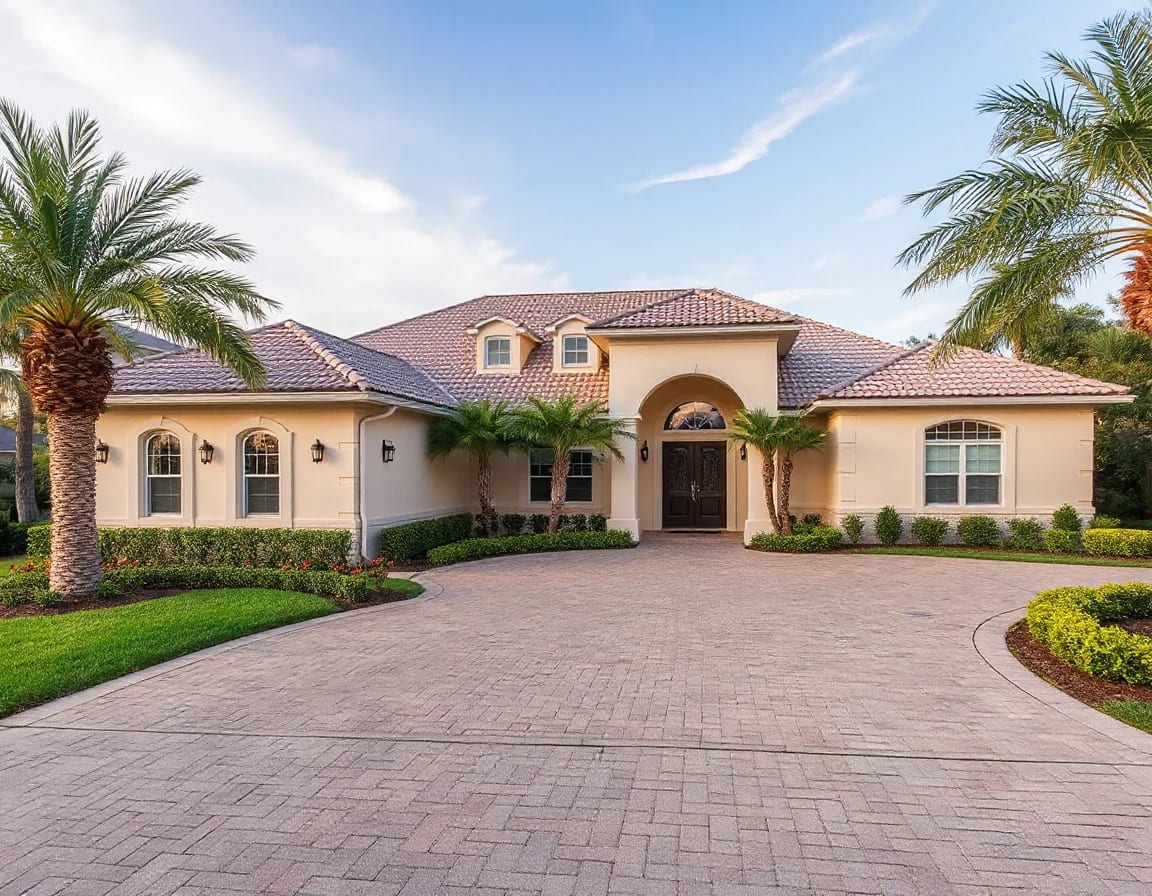
Single-family homes in Jupiter can offer a different form of flexibility. Private yards, pools, garages, driveways, outdoor living areas, and more direct control over upgrades can be meaningful advantages depending on the property. A homeowner may be able to improve curb appeal, refresh interiors, update landscaping, or enhance outdoor spaces on their own timetable, subject to applicable permits and any neighborhood association standards. That control can support both enjoyment and resale positioning when improvements are thoughtfully selected.
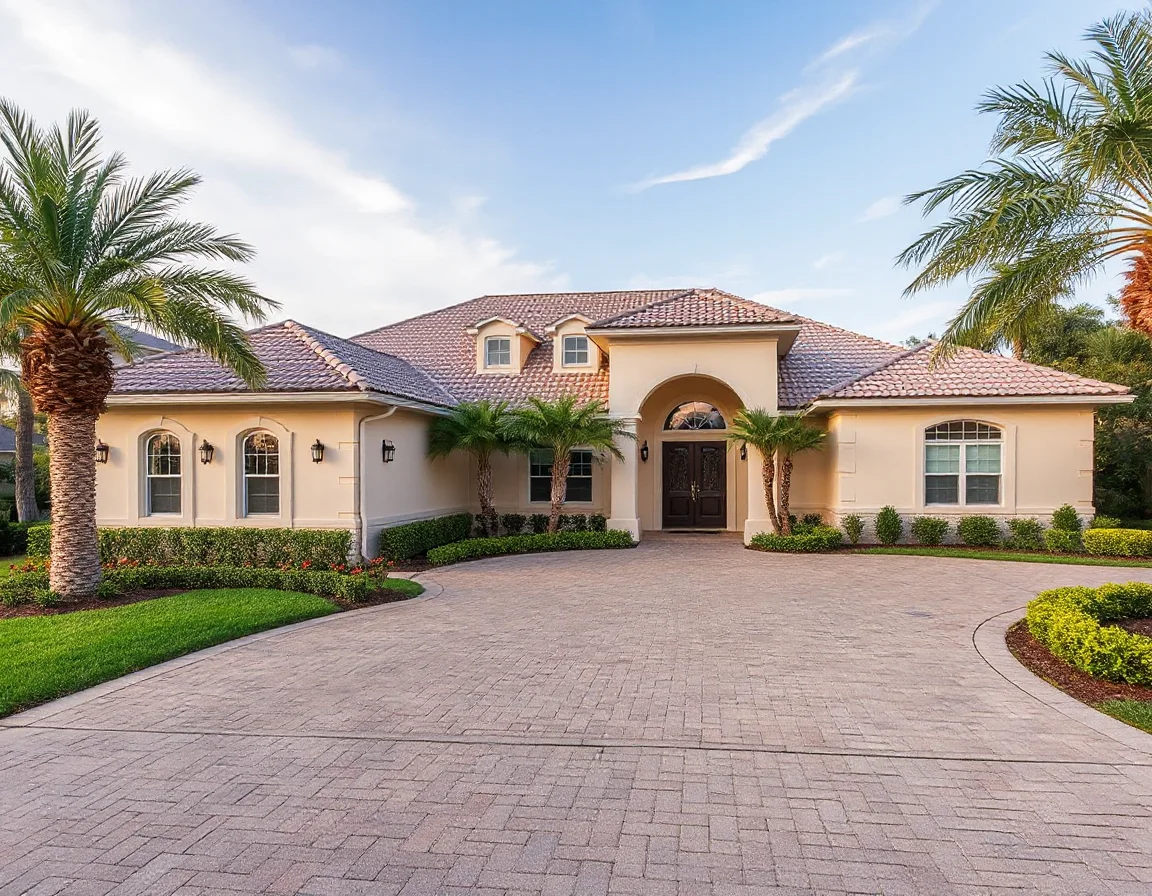
That flexibility comes with responsibility. Detached-home owners generally manage their own exterior maintenance, storm preparation, pest control, tree care, pool systems, drainage, fencing, and replacement schedules for major components. Insurance costs can vary widely based on age, construction, roof characteristics, wind-mitigation features, location, deductible choices, and coverage limits. A careful inspection and insurance review are central to calculating a realistic return, especially in South Florida’s climate.
Land value and the ability to personalize a property can be important components of long-term demand, but they should not be viewed as guarantees. Buyers often respond to well-maintained homes with practical layouts, updated systems, functional outdoor space, and a condition that reduces immediate project lists. Over-improving beyond the expectations of the surrounding market may not produce a dollar-for-dollar return, so renovation plans should balance personal use with local resale patterns.
A home governed by an HOA may still have recurring dues and architectural requirements, although those dues are often lower than condominium fees because the owner is responsible for more of the property. Request the HOA documents, budget, rules, pending projects, and any rental restrictions just as you would for a condo. The label “single-family home” does not eliminate community-level financial or operational considerations.
For a detached home, reserve funds for major systems rather than treating maintenance as an occasional surprise. Roof, HVAC, pool, drainage, and exterior upkeep can influence both annual costs and negotiating leverage at resale.
Compare Appreciation, Liquidity, and Holding Period
Market performance depends on timing, price range, condition, inventory, interest rates, insurance costs, and buyer preferences. Condos may perform well when buyers place a premium on location, convenience, and managed maintenance. Single-family homes may draw attention when private outdoor areas, garages, updated systems, and flexible layouts are in high demand. The strongest approach is to compare recent closed sales, active competition, days on market, and price reductions for closely matched homes rather than relying on broad headlines about either category.
Your intended holding period matters as well. Transaction costs, financing expenses, initial repairs, furnishing, and improvements can weigh more heavily over a short ownership window. A longer horizon may provide more time for equity growth and for the benefits of an upgrade or location choice to become apparent. If rental income is part of the plan, use conservative vacancy, management, repair, and association-fee assumptions rather than relying on best-case projections.
Liquidity is another practical consideration. A thoughtfully maintained property with clear documentation, competitive pricing, and features that align with current demand is generally easier to position for resale than one with unresolved maintenance issues or unclear association finances. The goal is not to predict every future market movement; it is to buy with a sound understanding of what supports value today and what may matter to the next buyer.
Learn about buyer representation
Build a Property-Specific ROI Decision
The best Jupiter choice is often revealed by a simple side-by-side worksheet. List the purchase price, down payment, estimated financing costs, taxes, insurance, HOA or condo dues, utilities, maintenance reserve, expected upgrades, rental rules, and likely exit strategy for each property. Then add the less obvious factors: condition of shared structures, current assessments, flood and wind considerations, parking, storage, outdoor space, and how easily the home could compete against nearby alternatives in the future.
Condos may offer a compelling combination of location and managed upkeep, while single-family homes can offer greater control and private-space flexibility. Both can be sensible choices when the numbers, documents, condition, and ownership plan align. A disciplined comparison turns “condo versus house” from a broad preference into a practical decision rooted in the property’s actual costs, opportunities, and long-term fit.