
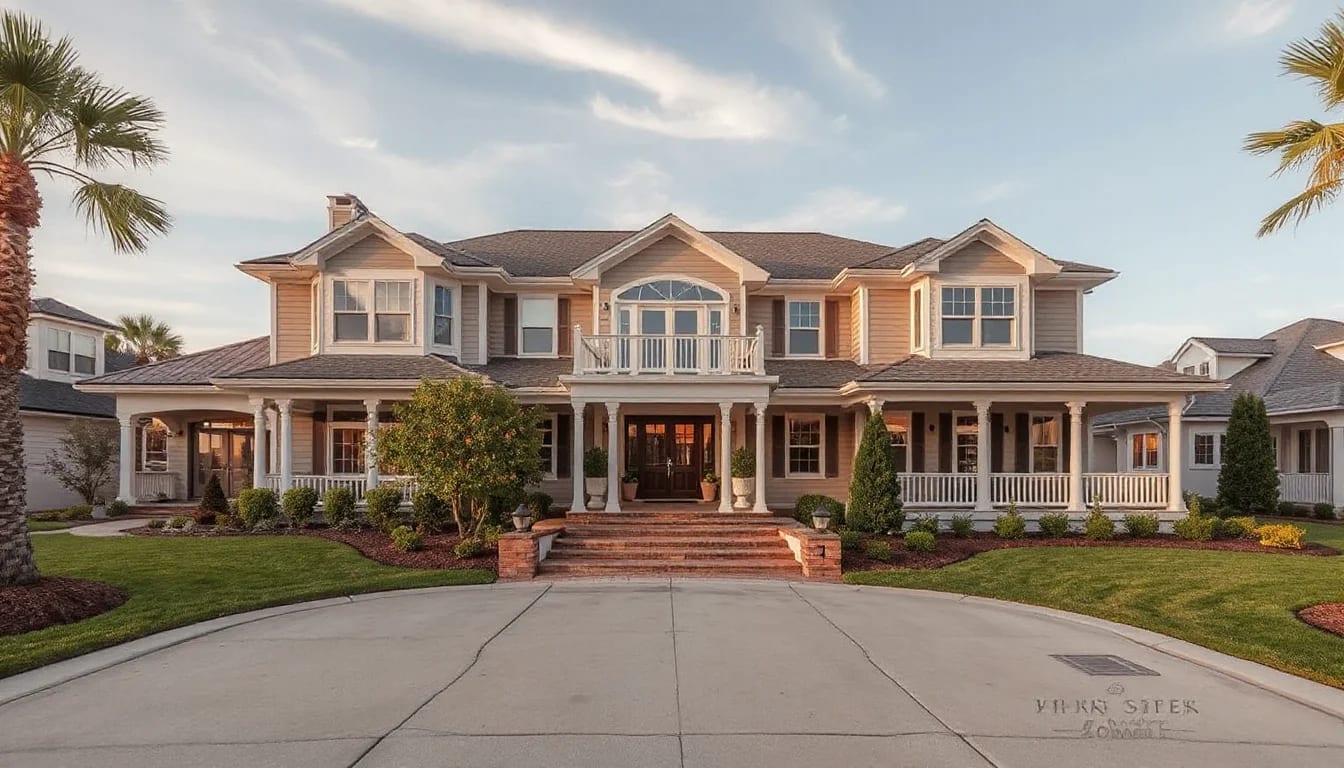
Waterfront ownership in Lighthouse Point can offer a compelling mix of daily coastal access and long-term real estate potential, but the water view is only one part of the equation. A thoughtful buyer evaluates dockage, seawall condition, insurance, location within the canal system, and the home’s renovation needs before comparing asking prices. The strongest purchase decisions connect a property’s lifestyle appeal with a realistic picture of its carrying costs and future marketability.
Start With the Waterfront Itself
Not all waterfront is valued the same way. In Lighthouse Point, a home’s relationship to the water can influence both its everyday use and its position in the resale market. Buyers often begin with the visible features: canal frontage, water views, a pool, outdoor gathering areas, and a dock. Those details matter, but the practical characteristics of the waterway deserve just as much attention.
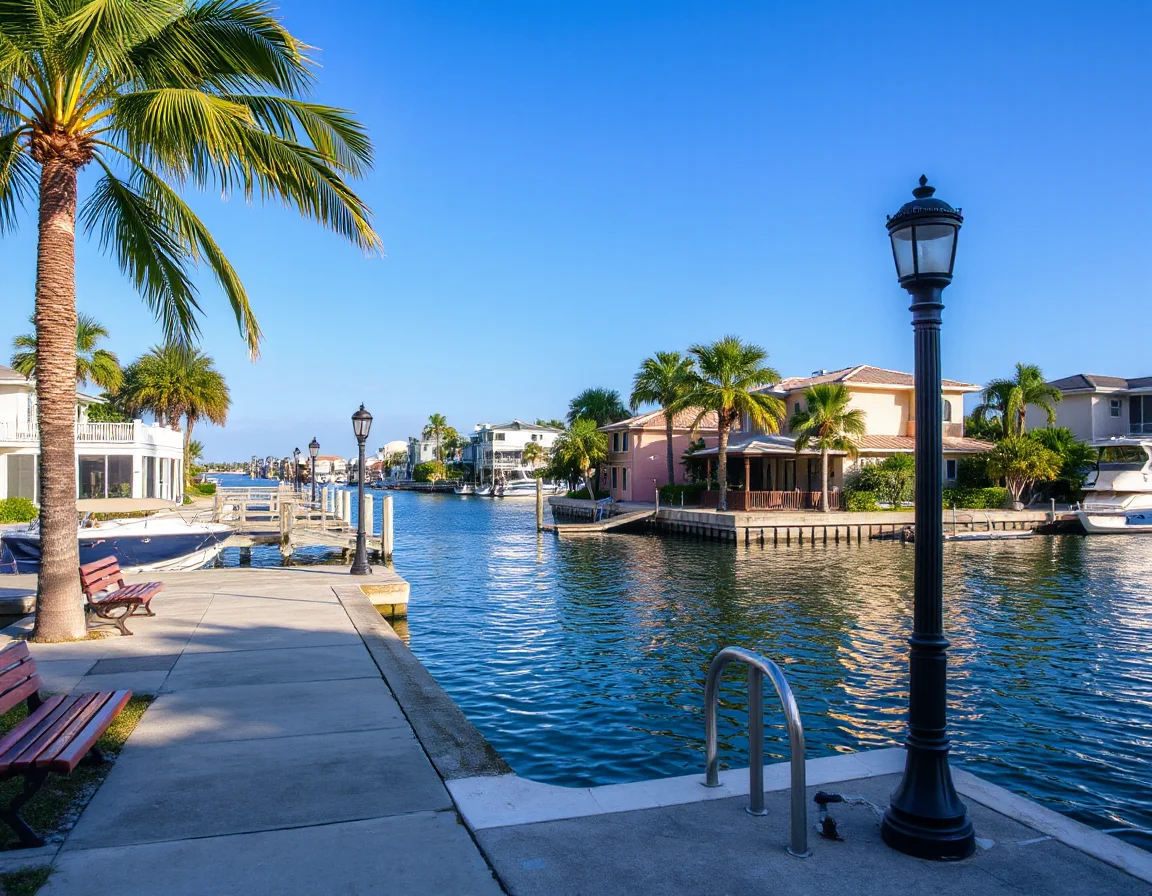
For boat owners and buyers considering future boat use, it is useful to verify the route from the property to open water, including bridge clearances, canal width, turning space, and the time required to reach the Intracoastal Waterway. A deep-water location, an unrestricted bridge route, or a well-proportioned dock may support broader appeal than a property with more limited navigation. These are property-specific matters, so they should be confirmed through inspections, local records, and appropriate marine professionals rather than assumed from listing language.
Water frontage also varies in exposure and presentation. Some properties offer long canal views, while others sit on quieter interior waterways or near turns and intersections. The visual experience can change with the orientation of the home, neighboring structures, landscaping, and the distance across the canal. During a showing, take time to stand outside at more than one point on the property. Notice privacy, afternoon light, dock access, outdoor circulation, and how the water is visible from the primary living spaces.
A dock is not simply an accessory: its dimensions, utility connections, permits, pilings, lifts, and current condition can materially affect both near-term expenses and a waterfront home’s future appeal.
Waterfront value is often supported by usable outdoor space, not just proximity to a canal. Look at the relationship between the interior and the yard: Are there shaded areas, practical paths to the dock, durable exterior finishes, and room for equipment or storage? A well-planned exterior can make the property more functional throughout the year while giving future buyers a clear sense of how the home lives.
Evaluate the Condition Behind the Curb Appeal
A polished waterfront exterior can be memorable, but buyers should budget their attention toward the components that protect the home and its shoreline. Seawalls, docks, roofs, windows, drainage, pool systems, electrical panels, and air-conditioning equipment all warrant careful review. In coastal South Florida, deferred maintenance in any one of these areas can change the true cost of ownership substantially.
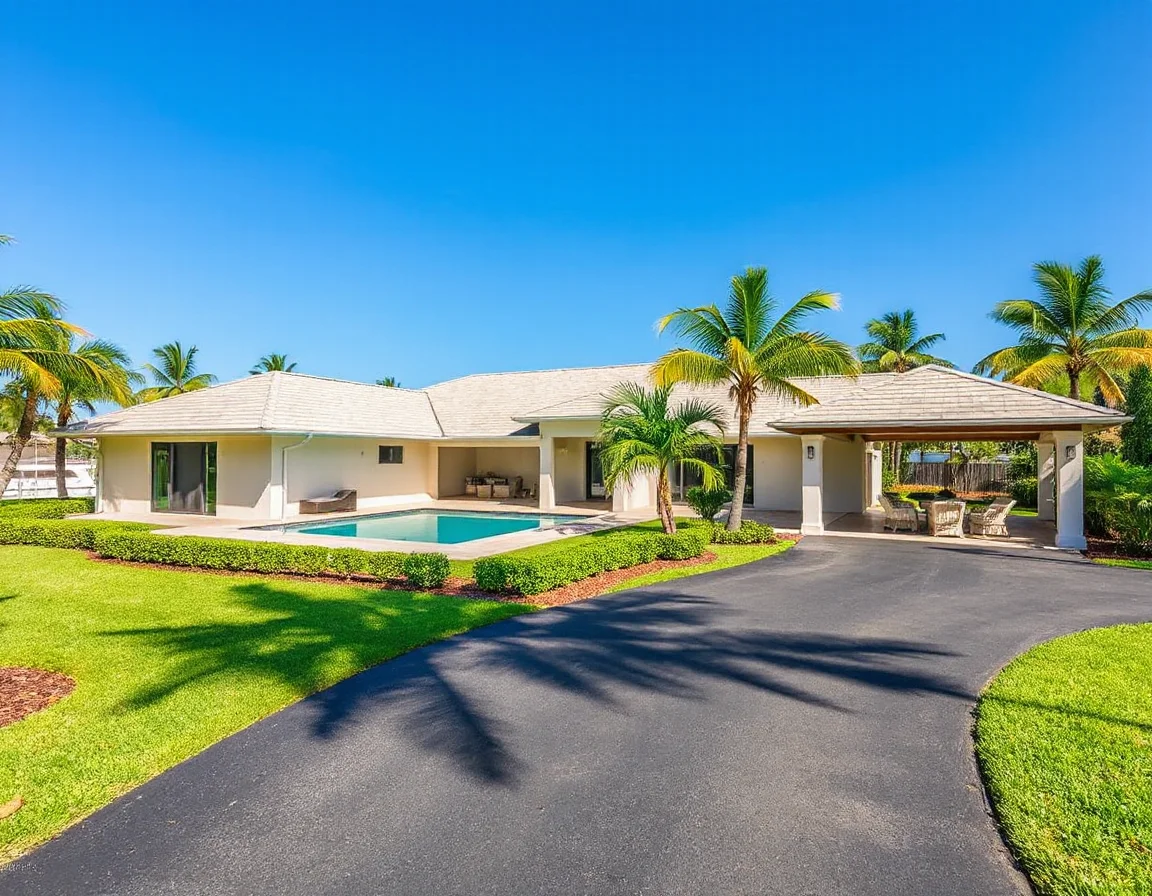
Seawall assessment is especially important. Ask about the wall’s age, repair history, visible cracking, cap condition, tiebacks, and prior work. A qualified inspection can help identify signs that deserve further evaluation. The same care applies to docks and lifts, where corrosion, wood condition, electrical systems, and permit history may influence repair planning. If improvements were completed recently, request available documentation, warranties, and permit records.
Insurance is another major line item to investigate early. Premiums and coverage options can depend on a home’s age, roof characteristics, wind-mitigation features, elevation information, location, and claims history. Buyers should speak with an insurance professional while they are still evaluating a property, rather than waiting until late in the contract period. This approach makes it easier to compare homes based on a more complete monthly and annual ownership picture.
Renovated homes can be attractive because they may reduce immediate project planning, but the scope and quality of work still matter. Look beyond finishes to ask whether plumbing, electrical, impact protection, roofing, and mechanical systems were updated as part of the renovation. A home with classic bones and a clear improvement plan may also be a worthwhile option, provided the purchase price and renovation budget align with the buyer’s goals.
Explore buyer representation in South Florida
Compare Total Ownership Costs, Not Just List Prices
A waterfront purchase is best evaluated through a full cost framework. Along with the purchase price and financing terms, factor in property taxes, homeowners insurance, flood coverage where applicable, utility costs, pool maintenance, landscaping, dock maintenance, seawall reserves, and any planned capital improvements. The result is not a single universal number; it is a property-by-property assessment that helps buyers avoid comparing homes on an incomplete basis.
When reviewing recent comparable sales, consider whether those homes had similar water access, lot dimensions, dock capacity, renovation level, and location within Lighthouse Point. Two homes with the same bedroom count can command very different pricing when one offers an improved seawall, a larger dock, a more direct boating route, or a more recently updated interior. A close comparison should account for the features that are expensive or time-consuming to reproduce.
It can also help to separate improvements into two categories: those that support broad marketability and those that reflect personal preference. Updated kitchens, impact-rated windows, well-maintained roofs, functional exterior areas, and sound waterfront infrastructure often have wide appeal. Highly customized finishes may still be enjoyable, but their contribution to future resale value can be more subjective. Buyers who understand that distinction can make renovation choices with greater confidence after closing.
Think About Flexibility and Resale From Day One
Return on investment in residential real estate is never guaranteed, and market conditions can change. Still, buyers can make durable decisions by focusing on characteristics that are difficult to replace: a well-located parcel, practical waterfront access, a strong structural condition, thoughtful layout, and an exterior designed for South Florida’s climate. These features can help a home remain competitive when it is eventually time to sell.
Flexibility matters as well. Consider whether the layout accommodates changing work patterns, visiting guests, storage needs, or future remodeling goals. Look for homes with clear circulation, useful room proportions, and outdoor spaces that feel connected rather than added on. A property that functions well without a major reconfiguration can offer greater convenience and may reduce the pressure to undertake costly projects immediately.
Buyers should also study the immediate surroundings objectively. Road access, proximity to major corridors, water traffic patterns, nearby construction activity, and lot placement can all affect the ownership experience. Visiting at different times of day can reveal details that are easy to miss during a brief showing. Pair those observations with professional inspections, title review, insurance estimates, and a careful reading of disclosures.
Search Lighthouse Point listings
Build a Purchase Strategy Around the Details
The most satisfying waterfront purchase is usually the result of disciplined due diligence rather than a quick reaction to a beautiful view. Lighthouse Point offers a distinctive setting of canals, boating infrastructure, coastal architecture, and outdoor living opportunities, and each home presents its own mix of advantages, obligations, and potential. By evaluating the waterway, shoreline systems, insurance profile, maintenance history, and resale factors together, buyers can move forward with a clearer understanding of what they are purchasing.
Focus on the features that support how you plan to use the property today while preserving options for tomorrow. A careful review before making an offer can turn waterfront excitement into a well-grounded real estate decision.