
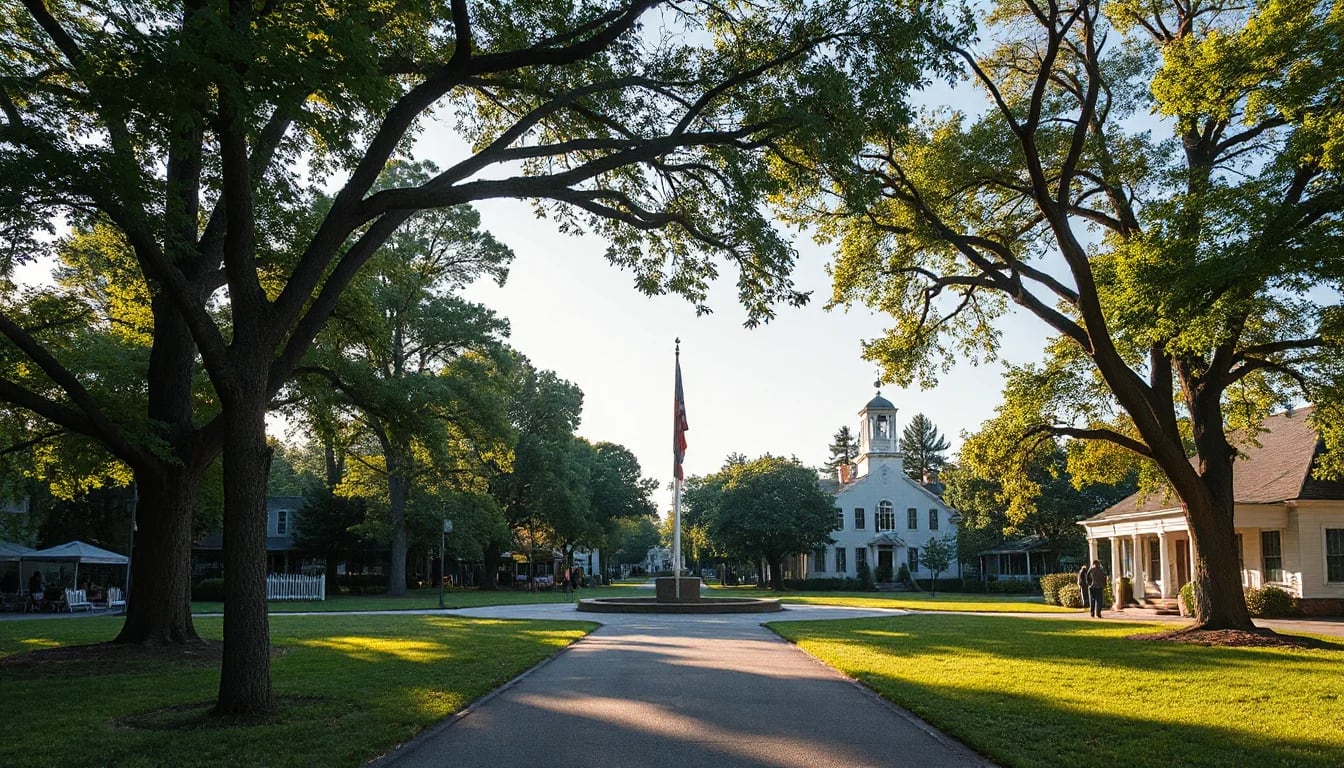
Parkland offers more than residential streets and polished curb appeal: its parks, multi-use paths, recreational facilities, and nearby everyday amenities create many ways to spend time outdoors. Whether you are comparing locations, planning a move, or simply getting to know the area, a closer look at the city’s public spaces can add useful context to a home search.
Outdoor Space Is Part of the Parkland Experience
Across Parkland, Florida, public green space is woven into the rhythm of daily life. The city’s parks range from open athletic complexes to landscaped gathering areas, playgrounds, shaded walking paths, and places to pause beneath mature trees. For home buyers, these features can be helpful when comparing neighborhoods because access routes, nearby recreation, and the overall maintenance of public spaces often shape how a location feels from one block to the next.
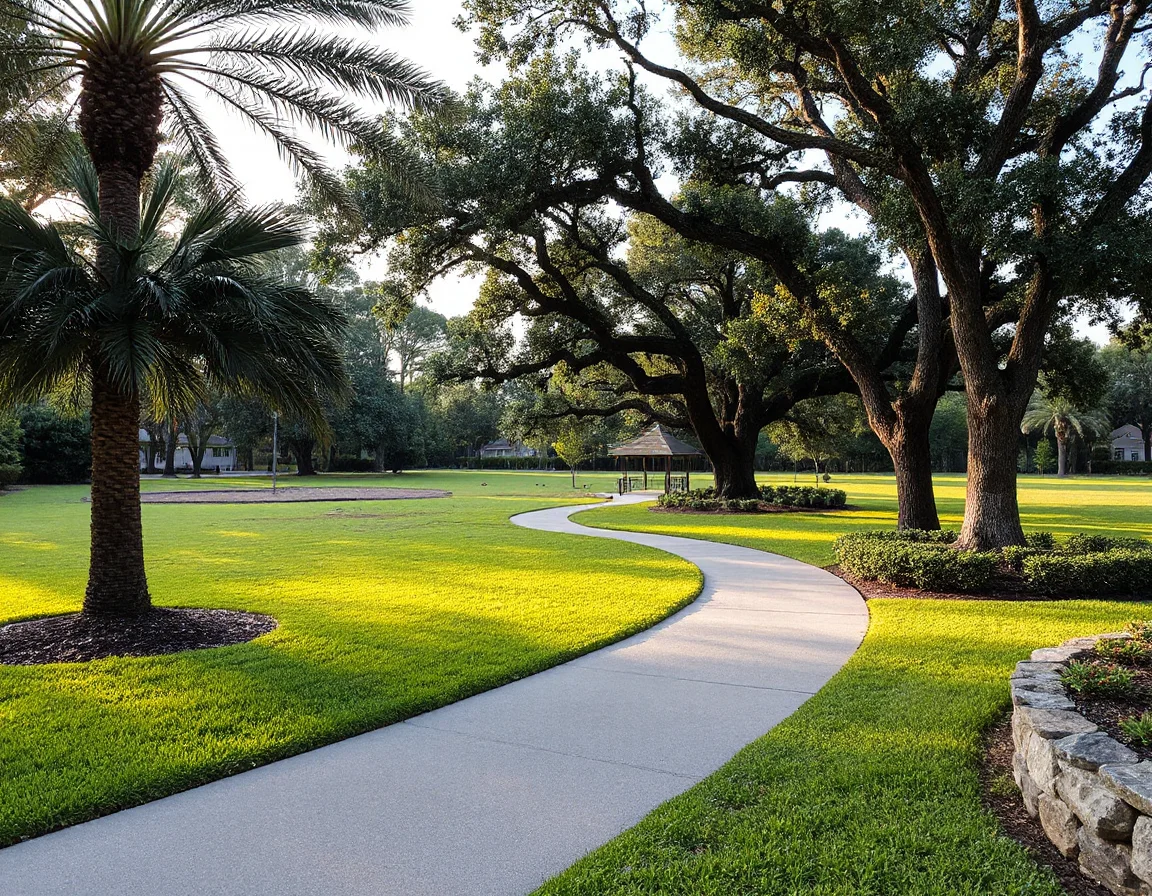
Pine Trails Park is one of the city’s most recognizable public destinations. Its large footprint supports organized recreation as well as casual visits, with open lawns, athletic areas, paths, and gathering spaces that give the park an active but spacious feel. Community programming and seasonal events may change throughout the year, so checking the City of Parkland calendar is a practical way to see what is scheduled before heading out.
Parkland’s subtropical climate makes early mornings and later afternoons especially appealing for a walk, jog, or relaxed loop around a neighborhood path. During warmer months, shade, water, and a plan for afternoon rain showers can make an outing more comfortable. The benefit of having multiple local park options is flexibility: a brief stop at a smaller green space can fit easily into an errand run, while a larger park can anchor a longer weekend outing.
When comparing homes near a park or trail, visit at more than one time of day. Traffic patterns, parking availability, sun exposure, and the level of activity can look quite different on a weekday morning than on a weekend afternoon.
Terramar Park is another established recreational resource in the area, known for its sports-oriented setting and open outdoor facilities. Elsewhere, smaller neighborhood parks and play areas create additional options for sitting outside, using a path, or enjoying an open lawn. These amenities are public assets rather than guarantees of a particular lifestyle, but they provide useful points of reference for anyone evaluating proximity, convenience, and local recreation.
Trails, Paths, and Everyday Connections
Parkland’s streetscape includes sidewalks, landscaped medians, and multi-use paths in many areas, making it possible to build outdoor time into an ordinary day. A route may connect residential areas with parks, civic facilities, or nearby services, while other paths are best treated as short neighborhood loops. Conditions vary by location, so it is worth walking or driving a potential route rather than relying only on a map.
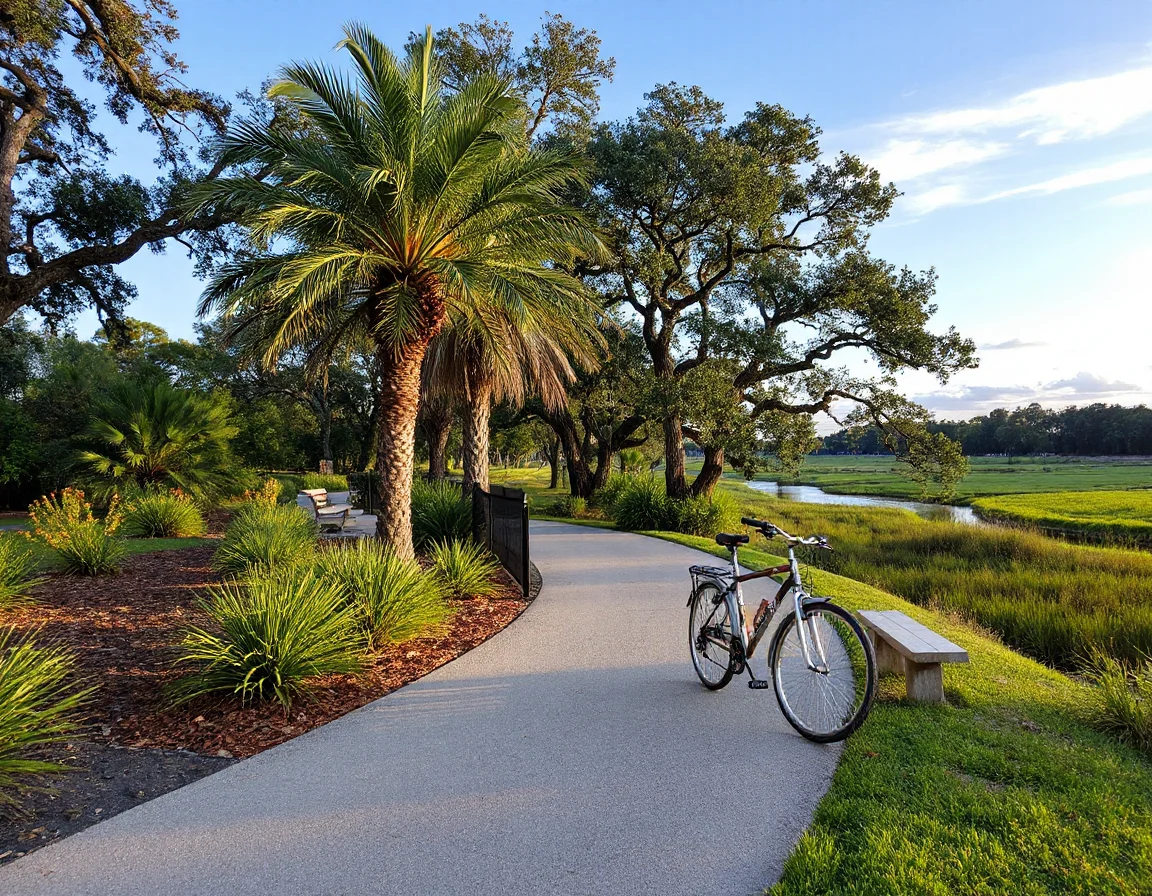
For walkers and cyclists, the most useful routes are often the ones that feel easy to repeat. Look for practical details such as crosswalk placement, curb ramps, lighting, intersections, drainage, and how a path connects to the streets around it. South Florida’s summer storms can leave standing water in low areas, and seasonal maintenance can affect a route’s appearance, so an in-person visit offers information that listing photos cannot provide.
Those who enjoy longer rides or broader outdoor access can also explore regional options in neighboring Broward and Palm Beach County communities. Parkland’s location places it within reach of additional parks, golf facilities, waterways, nature areas, and coastal destinations by car. That regional access is one reason buyers often compare Parkland with nearby Coral Springs, Boca Raton, Coconut Creek, and communities farther east toward the shoreline.
It is also useful to distinguish between a designated trail and a neighborhood sidewalk. Both can be valuable, but they serve different purposes. A mapped greenway may offer a continuous recreational route, while sidewalks may be more relevant for reaching a nearby park, civic destination, or local service. Reviewing municipal maps, visiting the route, and considering your own transportation habits can help turn a broad “walkability” impression into a more informed decision.
A home’s distance from an amenity is only one part of the picture. The most useful question is whether the route between the two feels practical for the way you expect to use it.
Local Amenities Beyond the Park Gates
Public spaces are only one layer of life in Parkland. Local civic amenities, services, fitness options, professional offices, grocery access, and dining destinations in the surrounding area help support everyday routines. The Parkland Library is a familiar community resource, while city facilities and recreation programming provide additional ways to stay connected with local happenings. Availability, hours, and programming can change, so confirming details directly with each organization is always wise.
For residents who enjoy golf, Parkland and nearby communities offer several course options, ranging from private facilities to public and semi-private choices elsewhere in the region. Outdoor recreation is also not limited to formal parks. Landscaped streets, neighborhood lakes, and open views contribute to the city’s visual character, though access to any lake, club, or amenity should be verified for the specific property or community under consideration.
Dining and retail choices extend beyond Parkland’s municipal boundaries, with nearby corridors offering a variety of everyday and special-occasion options. This is where a location tour becomes especially valuable. A route that appears short on a map may feel different depending on the time of day, road construction, school-zone traffic, or seasonal visitor activity. Touring a few errands from a prospective home can be just as informative as touring the home itself.
Using Amenities to Compare Homes Thoughtfully
When reviewing Parkland real estate, think of parks and amenities as part of the larger location equation rather than as a standalone feature. A property beside an open space may offer convenient access and attractive views, while another home farther away may provide a quieter setting or a different road connection. Neither is automatically better; the right fit depends on how you plan to use the home and its surroundings.
Before making an offer, consider visiting nearby public areas, checking municipal information, and reviewing any applicable homeowners’ association documents. Ask practical questions about maintenance responsibilities, parking rules, access hours, event activity, and whether a feature is public, private, or reserved for residents of a particular community. These details help set accurate expectations and can prevent assumptions based on a quick drive-by.
Parkland’s parks, paths, and local amenities offer a useful lens for exploring the city at ground level. From a shaded route after a rain shower to a weekend visit at a well-kept recreation area, these spaces reveal the practical texture of a location. Taking the time to explore them alongside available homes can make your Parkland search more informed, more personal, and better aligned with the routines that matter to you.