

Pompano Beach buyers have more to evaluate than a listing’s asking price. Inventory, condition, insurance considerations, days on market, and seller flexibility can all affect the terms that matter most. Understanding how those pieces work together can help you recognize when a property is competitively positioned and when there may be room to negotiate.
Price Is the Starting Point, Not the Whole Story
Pompano Beach offers a broad mix of property types, from waterfront condominiums and townhomes to single-family residences west of Federal Highway and coastal properties near the Atlantic. That variety makes headline market numbers useful as general context, but not a substitute for comparing like with like. A renovated residence with a newer roof, impact protection, updated systems, and manageable monthly costs may compete in a very different way than a similarly sized home needing substantial work.

When reviewing home prices, begin with the property’s most direct competition: comparable active listings, recent closed sales, pending contracts when available, and homes that were removed from the market. Look beyond bedroom count and square footage. Waterfront access, floor level, parking arrangement, outdoor space, renovation quality, association financials, and exposure to traffic or water can influence value in ways a broad average cannot capture.
For buyers, a practical question is whether the asking price reflects the home’s current condition and total ownership picture. A lower-priced property can require more cash after closing if it needs renovations or carries higher association fees, while a higher-priced listing may include improvements that reduce immediate projects. Comparing the complete cost and likely maintenance needs keeps the analysis grounded.
The most useful comparison is rarely the lowest-price listing. It is the property with the closest match in location, condition, features, monthly expenses, and timing.
It also helps to separate a seller’s aspiration from the market’s response. A listing can be priced above recent comparable sales and still receive attention because of a distinctive view, lot, layout, or renovation. Conversely, a property may sit because its price has not adjusted to account for deferred maintenance, condo requirements, or competing inventory. The details behind the number matter.
How Inventory Shapes Buyer Leverage
Inventory is simply the set of homes currently available for purchase, but its effect is more nuanced than “more homes means better deals.” Buyer leverage tends to improve when several comparable choices are available, when listings have accumulated market time, or when sellers have already made price adjustments. Leverage can narrow when a well-prepared home has limited direct competition or when multiple buyers are focused on the same property.
In Pompano Beach, inventory conditions can vary sharply by property category. The number of available condos may tell a different story than the number of detached homes, and a waterfront segment may behave differently from an inland segment. Even within condominiums, each building can have its own market dynamics based on reserves, maintenance history, rental rules, amenities, financing eligibility, and the number of similar units listed at once.
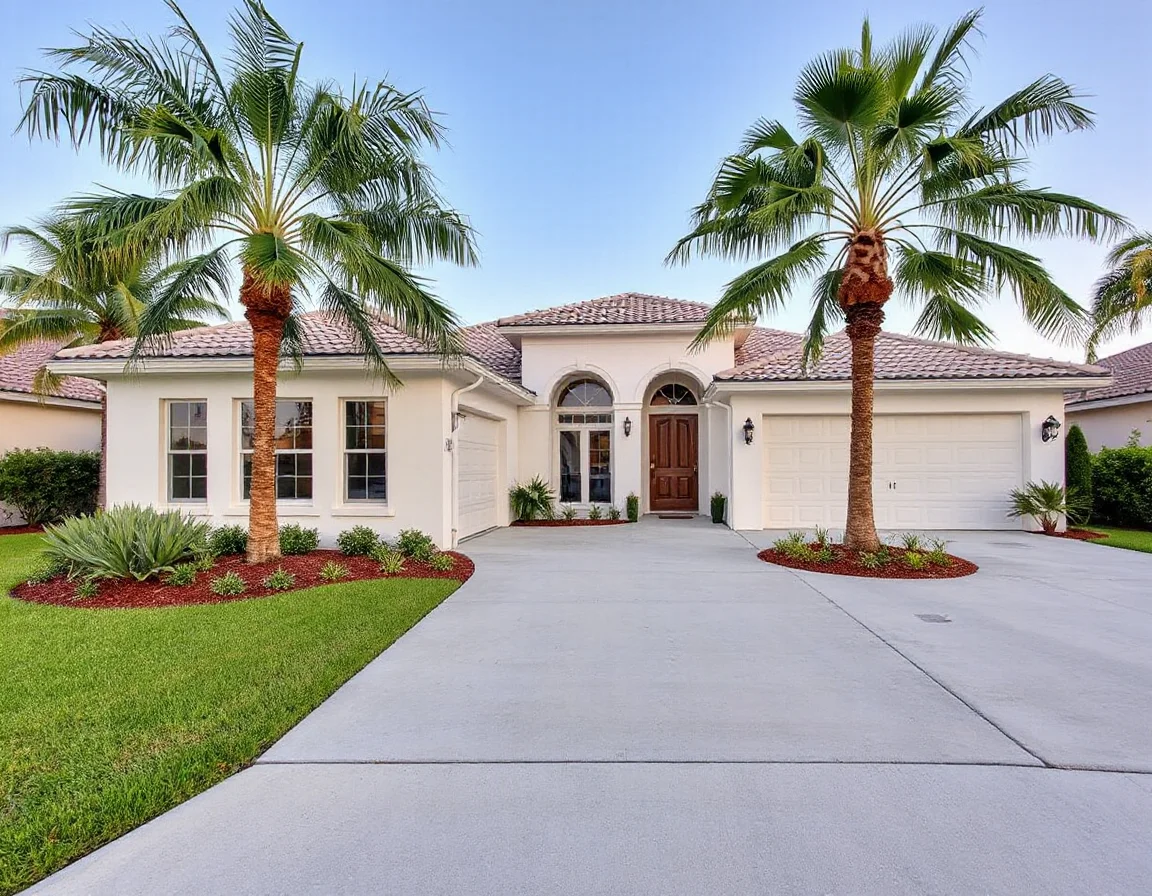
Rather than watching only the total number of listings, pay attention to the choices available in your target price range and property type. If three similar homes have been available for several weeks, a buyer may have time to compare disclosures, estimate repair costs, and structure a thoughtful offer. If only one home checks the most important boxes, waiting for a deeper discount can carry the risk that another buyer acts first.
A seller’s timing can also create opportunity. A relocation, an already-purchased replacement property, a long market period, or a recent price reduction may signal that a seller is open to discussing terms. That does not guarantee a concession, but it provides useful context for an offer strategy. The goal is not to make assumptions; it is to evaluate the listing’s documented market history and current competition.
Where Negotiation Can Add Value
Buyer leverage does not always appear as a lower purchase price. A successful agreement may include a credit toward allowable closing costs, a repair commitment, an extended inspection period, flexible closing timing, or personal property that has real utility for the buyer. The right approach depends on financing, inspection findings, appraisal considerations, and the seller’s priorities.
Inspection is one of the clearest moments to distinguish between cosmetic preferences and material concerns. Roof age, electrical panels, plumbing, HVAC condition, windows and doors, moisture indicators, drainage, and required permits can all deserve professional review. In condominium purchases, buyers should also study association documents, current budgets, reserve information, pending assessments, rules, and any notices related to building maintenance. These records can be as important to the purchase decision as the unit itself.
For financed purchases, appraisal is another key checkpoint. If the appraised value comes in below the contract price, the parties may need to renegotiate price, adjust the buyer’s cash contribution, challenge the appraisal with relevant data, or end the contract according to its terms. A strong offer considers that possibility before it is time to make a decision under pressure.
Good leverage is specific. A request supported by inspection evidence, comparable sales, lender requirements, or a clearly documented cost tends to be more persuasive than a broad request for “a better deal.” Clear priorities also help. Decide in advance whether price, condition, closing date, monthly expenses, or a particular feature carries the greatest weight for your purchase.
A Practical Way to Read the Market
Start with a defined search area and a realistic list of must-have features. Review new listings promptly, but track properties for a few weeks as well. Notice price changes, pending status, back-on-market activity, and the pace at which comparable homes move. This creates a more reliable sense of value than reacting to one especially polished listing photo or one unusually low asking price.
Then, build a property-by-property scorecard. Include asking price, estimated monthly carrying costs, lot or building characteristics, age of major systems, condition, disclosures, association information where applicable, and nearby comparable sales. A scorecard makes it easier to see the trade-offs between a turn-key property with a stronger price and a property that may offer negotiation room but require more work after closing.
Pompano Beach’s beaches, boating access, parks, golf options, dining destinations, and proximity to broader Broward County transportation routes all contribute to the area’s appeal. Still, every purchase should come back to the individual home and the terms of the contract. Market knowledge is most useful when it helps a buyer make a measured, informed decision rather than chase a headline.
Learn about buyer representation in South Florida
Moving From Market Signals to a Confident Offer
A well-prepared buyer does not need to predict every market shift. The more practical objective is to understand the current choices, identify the property’s true competition, and make an offer that reflects both value and personal priorities. In some situations, the best move is to act decisively on a well-priced home. In others, patience and careful negotiation can produce stronger terms.
Before submitting an offer, revisit the full financial picture with current loan estimates, insurance research, association costs, and anticipated repairs in mind. Pair that preparation with a close review of comparable properties and contract contingencies. With a clear view of price, inventory, and leverage, buyers can approach Pompano Beach opportunities with more confidence and a better framework for deciding what a home is truly worth to them.