

A successful South Florida sale starts well before the listing goes live. By pairing thoughtful preparation with pricing grounded in current competition and a marketing plan built for today’s search habits, sellers can present their property with clarity and confidence. The goal is not simply more attention—it is the right information, delivered well, to help buyers understand the home’s value.
Start With the Market, Not a Guess
South Florida is not one single housing market. Conditions can shift from Miami to Broward County to Palm Beach County, and they can vary again by property type, community rules, waterfront access, renovation level, and the number of similar homes available at a given moment. A smart selling plan begins with a close look at recently closed properties, active competition, pending listings, and the features that buyers can compare directly.
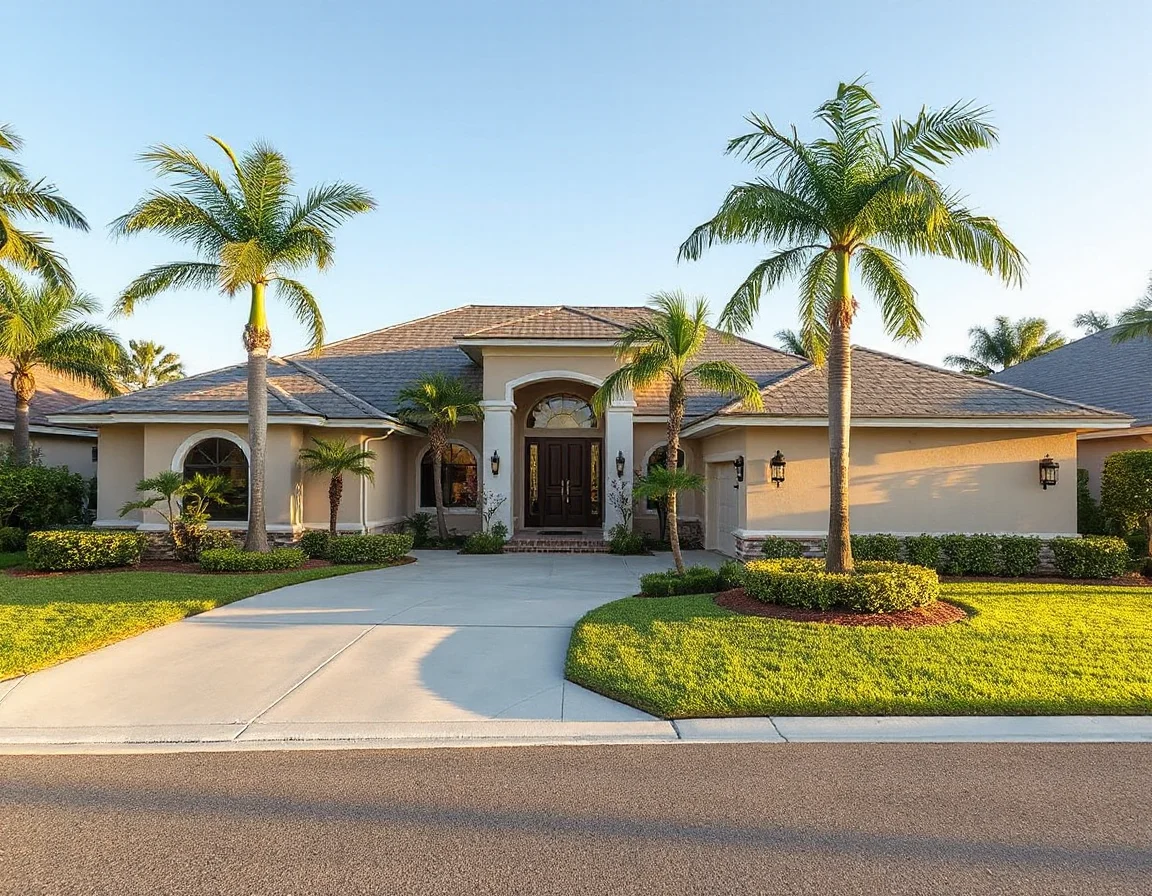
A pricing conversation should account for more than the highest nearby sale. Square footage, lot configuration, updates, roof age, outdoor living areas, association requirements, insurance considerations, and overall presentation may all affect how a property is positioned. A home with a recently refreshed kitchen may compete differently from a similar floor plan with original finishes, even if both sit within the same general area.
It is also helpful to distinguish between a price that attracts early attention and a price that simply leaves room for negotiation. The first few weeks on market often bring the clearest signal about buyer response. When the list price, photography, condition, and property details align, buyers have an easier time deciding whether the home belongs on their showing list.
The most useful pricing analysis compares your home with properties a buyer can choose today, not only with sales from several months ago.
For owners considering an off-market path, the same preparation still matters. Off-market opportunities can offer privacy or flexibility in certain situations, but the property needs an accurate value range, polished information, and a defined strategy for reaching qualified prospects. Florida Elite Homes works across traditional and off-market transactions, helping sellers evaluate which approach best fits their timing, property, and goals.
Prepare the Property for Clear, Honest First Impressions
Preparation does not have to mean a full remodel. It means making the home easy to understand and easy to picture through photos, video, showings, and inspection conversations. Begin with a practical walkthrough from the curb to the backyard. Note deferred maintenance, worn caulking, dripping fixtures, burned-out bulbs, cluttered storage spaces, and exterior details that may distract from stronger features.
In South Florida, buyers often pay close attention to systems and documents that influence ongoing ownership. Sellers can get ahead of common questions by organizing records for permits, major improvements, appliance updates, service history, association information, and warranties where available. If a home has features such as impact windows, a pool, solar equipment, a dock, or a newer roof, clear documentation can help make those benefits easier to communicate.
A targeted pre-listing inspection can also be worth discussing. It is not required in every situation, and it does not eliminate a buyer’s inspection, but it may reveal repairs that are simpler to address before the home is photographed and shown. The objective is informed decision-making: determine which items should be repaired, disclosed, priced into the listing, or left for a future buyer to evaluate.
Make each room support the story of the home
Cleaning, editing, and light staging can create a major difference without changing the home’s character. Remove excess furniture that blocks traffic flow, clear kitchen counters, store personal paperwork, and open window coverings to bring in natural light. Outdoor areas deserve the same attention. Trim landscaping, tidy pool decks and patios, pressure-clean surfaces as appropriate, and make sure gates, screens, and exterior lighting are functioning properly.
The strongest presentation is specific rather than generic. A bright home office, a covered patio, an updated bath, a flexible bonus room, or generous storage can be highlighted when it is clean, well-lit, and accurately described. This approach gives buyers useful details without overselling the property or creating expectations that the home cannot meet.
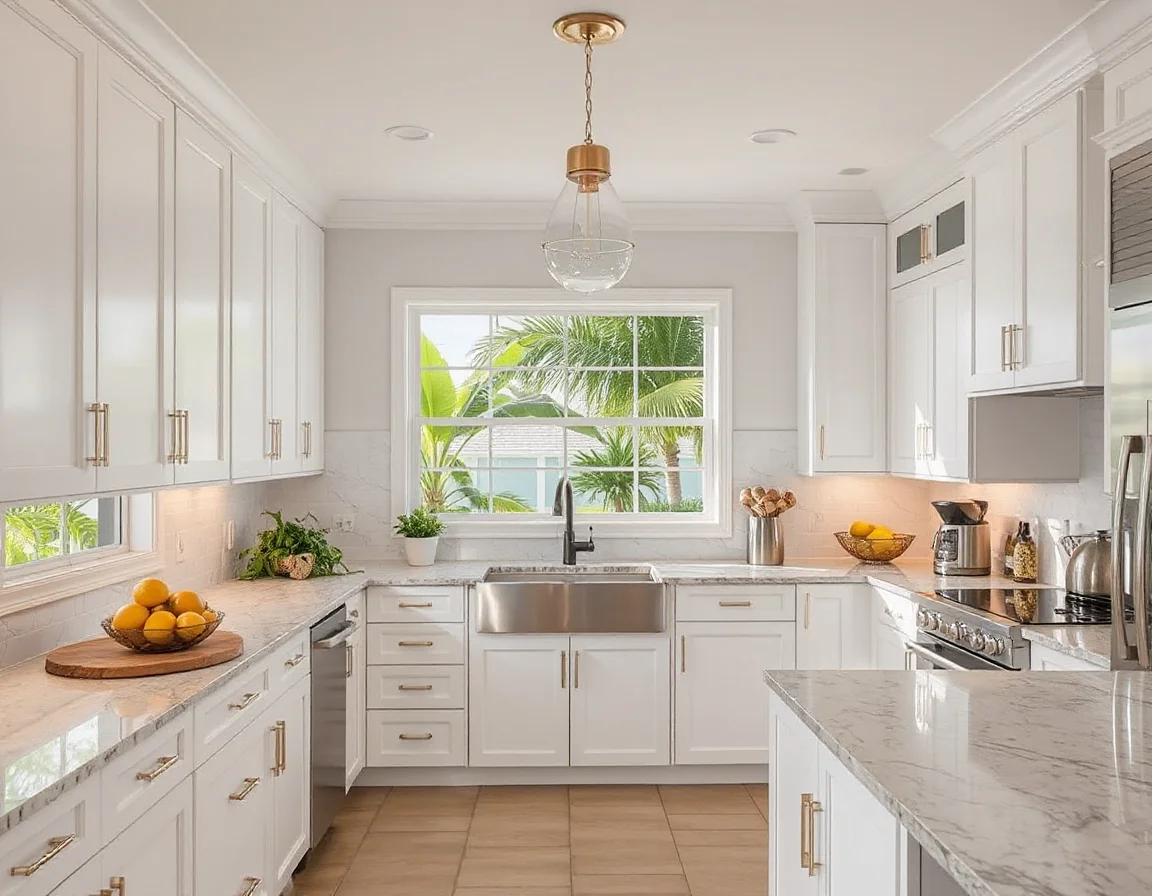
Professional visual marketing is especially important because many buyers make an initial decision from a screen. High-quality photography should show the layout, natural light, finish level, outdoor spaces, and key amenities honestly. Depending on the property, a floor plan, video, aerial imagery, or a virtual tour may provide additional context. Each piece should answer a practical question: what will a buyer want to know before scheduling a visit?
Thoughtful listing copy matters, too. It should lead with verifiable features—bedroom and bathroom count, improvements, lot details, community amenities, access to parks or transportation routes, and relevant ownership information. Clear, fact-based details help attract serious interest while supporting Fair Housing–compliant marketing for every prospective buyer.
Before photos are taken, walk through the home as if you are seeing it for the first time: clear surfaces, working lights, open blinds, and tidy outdoor areas can change the entire visual impression.
Build a Marketing Plan That Reaches the Right Audience
Listing exposure is more than placing a property online. A complete marketing plan coordinates the listing launch, professional assets, property details, showing instructions, buyer feedback, and ongoing review of activity. When every channel tells the same accurate story, potential buyers can move from an online search to a showing with fewer unanswered questions.
Timing the launch also deserves attention. Sellers may want to consider travel schedules, planned repairs, association approval processes, tenant arrangements, and how quickly the home can be kept show-ready. A rushed launch before the home is ready can be difficult to reverse. In contrast, a coordinated launch gives the listing its strongest opportunity to stand out among new competition.
During the active listing period, feedback should be evaluated with context. One comment may be subjective; recurring comments about price, condition, layout, or competition may point to a decision worth considering. A responsive strategy can include updating photos, refining property details, adjusting showing access, addressing a repair, or revisiting price based on the market evidence at that time.
Plan for Offers, Inspections, and the Finish Line
An offer is more than its purchase price. Closing timeline, financing structure, appraisal terms, inspection contingencies, repair requests, deposits, and included personal property can all affect a seller’s bottom line and level of certainty. Reviewing the entire offer package helps clarify the tradeoffs before responding.
Once a contract is accepted, organization becomes valuable again. Keep requested documents accessible, maintain the property as agreed, and respond promptly to legitimate transaction questions. Inspections, appraisals, title work, lender milestones, and final walkthroughs each have their own deadlines. Sellers who know what is coming can make decisions with less pressure as the closing date approaches.
Whether the property is in Miami, Broward, Palm Beach, or another part of the broader South Florida service area, the essentials remain consistent: prepare carefully, price with evidence, market with quality, and evaluate each decision against the seller’s real priorities. Coryn Mock and Florida Elite Homes can help turn those moving pieces into a focused plan designed for a well-managed sale.