

A thoughtful six-week refresh can help your Delray Beach home make a stronger first impression without turning preparation into a full renovation project. This plan breaks the work into manageable weekly priorities, from repairs and curb appeal to photography-ready finishing touches, so listing day feels organized rather than rushed.
Start With a Clear Six-Week Runway
Preparing a property for sale is often less about chasing every possible upgrade and more about focusing on the details buyers notice quickly: condition, light, cleanliness, flow, and maintenance. In Delray Beach, where homes can range from historic cottages near Atlantic Avenue to newer residences west of downtown and coastal condominiums, the most useful refresh plan is one that highlights the home’s existing strengths.

Six weeks gives enough time to make smart choices, schedule dependable help, and avoid last-minute spending. Begin by walking through the home as if you were seeing it for the first time. Note anything that looks unfinished, worn, dim, crowded, or difficult to understand at a glance. A loose cabinet pull, a stained grout line, or an overfilled room may seem small, but several small distractions can compete with the home’s best features.
Before purchasing materials or booking contractors, make three lists: must repair, worthwhile refresh, and optional upgrade. Must-repair items include active leaks, nonworking fixtures, damaged screens, visible water stains, or safety-related concerns. Refresh projects might include paint touch-ups, pressure cleaning, landscaping, updated light bulbs, and decluttering. Optional upgrades are the items that should be considered only after the first two lists are complete.
The strongest pre-list plans protect the calendar first: reserve time for repairs, cleaning, photography, and final staging before deciding whether a larger cosmetic project is worth adding.
It is also a good time to gather practical property information. Locate warranties, permit documents when applicable, appliance manuals, association rules for condominiums or townhomes, recent service invoices, and utility details. Organized information can make it easier to answer common questions once the home is on the market.
Weeks One and Two: Repair, Simplify, and Deep Clean
Use the first week to handle the work that is easiest to overlook during daily life. Test every light switch, ceiling fan, faucet, toilet, door latch, window lock, smoke detector, and exterior light. Replace burned-out bulbs with matching warm or daylight LEDs, depending on the room’s existing lighting. Address dripping faucets, squeaky doors, chipped trim, cracked caulk, and other visible maintenance items before they have a chance to become the focus of a showing.
Week two is for simplifying each room. Remove items that make spaces feel smaller or less functional: extra furniture, crowded bookshelves, countertop appliances, seasonal decor, oversized personal collections, and storage bins. The goal is not to make a home feel empty. It is to make room dimensions, storage, natural light, and circulation easier to see.
For closets, cabinets, garages, and laundry spaces, aim for an orderly and usable appearance rather than perfection. Buyers often look into storage areas, especially in South Florida homes where beach gear, seasonal items, and household supplies can accumulate quickly. A partially filled closet with matching hangers or neatly grouped containers generally reads more clearly than a packed space.
Schedule a thorough deep cleaning near the end of week two or early in week three. Prioritize windows, tracks, blinds, baseboards, ceiling fan blades, tile grout, shower glass, kitchen surfaces, and floors. In humid coastal conditions, pay special attention to mildew-prone areas around baths, patios, air-conditioning vents, and exterior entries. Cleanliness communicates care long before a buyer reads a property description.
Weeks Three and Four: Make the Home Feel Bright and Well Maintained
The middle of the plan is the ideal window for cosmetic improvements with broad visual impact. Fresh neutral paint can be valuable when walls show scuffs, bold colors dominate multiple rooms, or touch-up paint no longer blends. If repainting the entire interior is not necessary, focus on the entry, main living areas, hallways, and any room with noticeable wear.
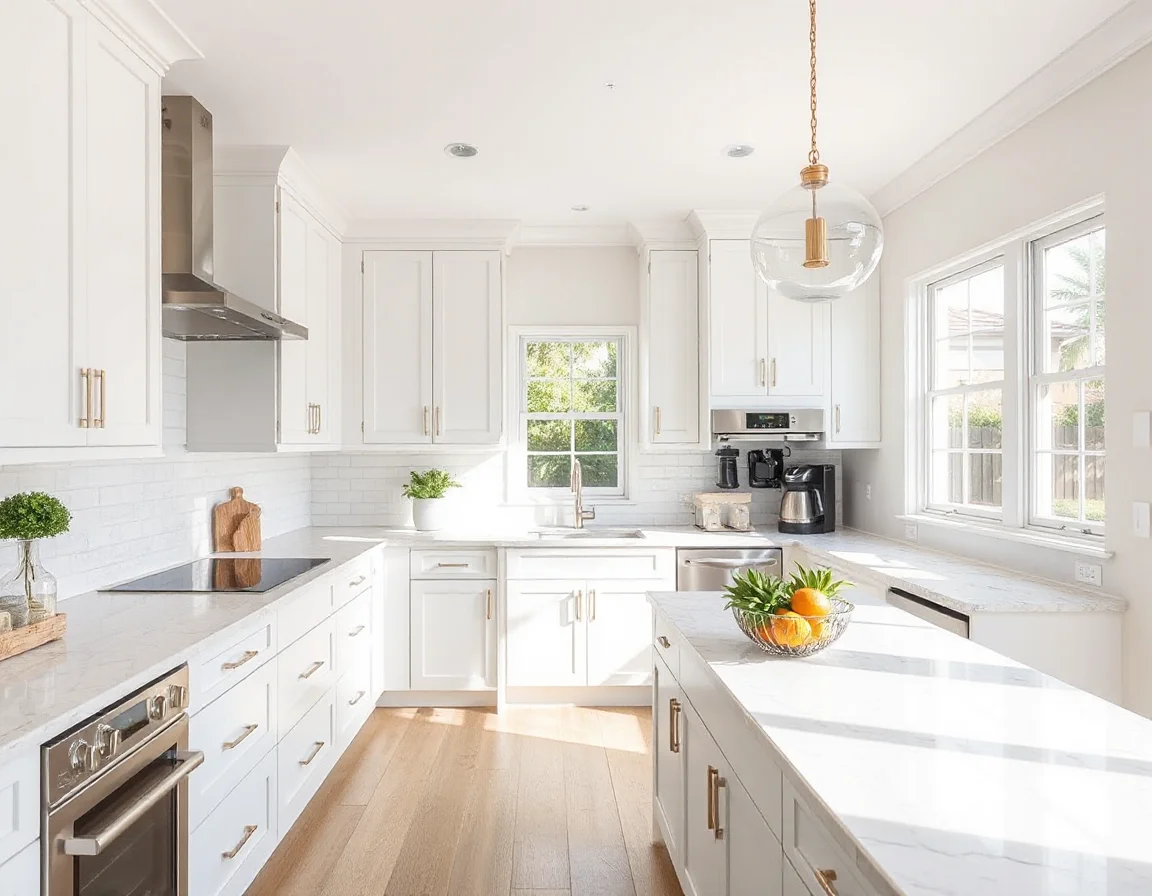
Kitchens and bathrooms deserve a careful review because they combine many visual details in a small footprint. Clean or replace discolored caulk, tighten hardware, clear counters, polish fixtures, and remove magnets or papers from appliances. If cabinet hardware is mismatched or badly worn, a coordinated replacement can offer a focused update. Avoid making changes that create a new unfinished project; consistency and condition matter more than a trend-driven overhaul.
Outside, concentrate on the approach to the front door and the areas visible from major windows. Trim landscaping, remove dead plant material, edge walkways, wash the driveway, rinse outdoor furniture, and check that house numbers and entry lighting are clean and easy to see. Delray Beach’s tropical setting can be a visual asset when landscaping is maintained, but overgrown hedges or cluttered patios can hide usable outdoor space.
Air-conditioning service is another sensible consideration before listing. A recent service record does not eliminate the need for future inspection, but it can help demonstrate routine care. Replace filters, clean visible vents, and make sure the home is comfortable for photography and showings. In a warm South Florida market, a home that feels cool, bright, and freshly maintained creates an immediate contrast to one that feels closed up.
Instead of renovating every surface, concentrate spending where it improves the first ten minutes of a visit: the entry, main living room, kitchen, primary bath, and outdoor gathering areas.
Week Five: Prepare for Photos, Video, and Showings
By week five, major repair and refresh decisions should be complete. This is the time to style rooms for clarity. Arrange furniture to emphasize pathways and focal points. Open curtains where privacy allows, replace heavy or dated bedding with simple linens, and use a small number of neutral accessories to add warmth. A dining table can be set simply, while a patio can be arranged to show how the space functions without appearing overcrowded.
Photography should capture both the home and the way its spaces connect. Before the appointment, remove pet supplies, visible cords, cleaning products, personal toiletries, countertop clutter, trash bins, and laundry. Store vehicles in the garage only if doing so does not obscure a key feature, and make arrangements for any exterior areas that need to be cleared. Turn on interior lights, replace inconsistent bulbs, and make sure ceiling fans are off for still photography.
Consider the timing of light around your home. East-facing rooms may look their brightest in the morning, while west-facing outdoor areas can have a warmer feel later in the day. Professional marketing benefits from a property that is ready before the camera arrives, rather than one still receiving finishing touches between shots.
Week Six: Final Details and a Practical Listing-Day Routine
The final week is for maintaining the progress you have already made. Complete a second walk-through, ideally with a fresh set of eyes, and look for small details: fingerprints on glass doors, flattened entry rugs, stray landscaping debris, empty paper towel holders, or a room that has gradually accumulated clutter again. Confirm that every key, garage remote, gate code, and association item is accounted for.
Create a simple showing routine that can be completed in 20 to 30 minutes. Make beds, clear counters, open blinds, turn on lights, adjust the thermostat to a comfortable setting, take out trash, and check the entry and patio. Keep a basket or lidded container available for daily items that need to disappear quickly before a showing. A repeatable system makes it easier to keep the property presentation-ready while it is active on the market.
Finally, remember that a pre-list refresh is not about making a home look like someone else’s. It is about presenting its layout, condition, and features with confidence. With a measured six-week schedule, sellers can spend less time reacting to deadlines and more time making decisions that support a polished, market-ready launch.