
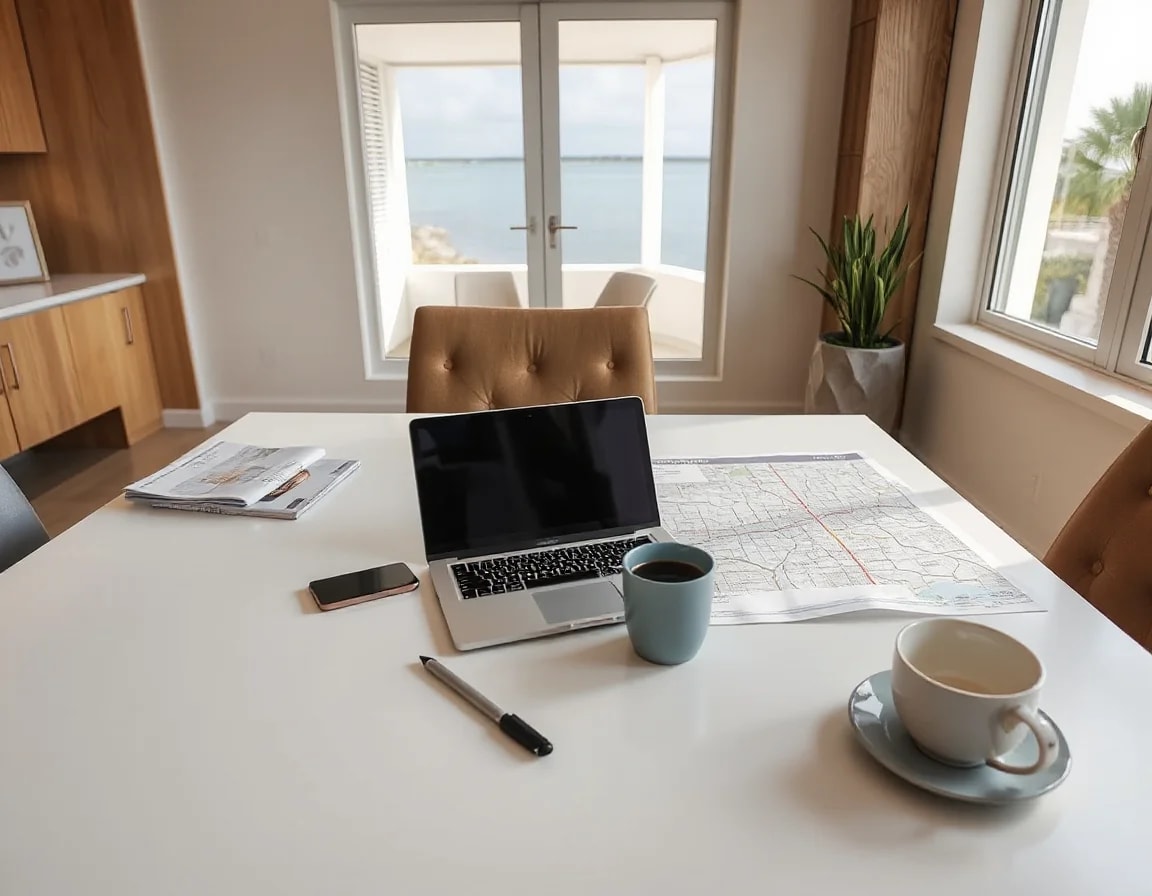
Off-market real estate can create useful options, but it is not a shortcut around careful pricing, property review, or negotiation. In South Florida, these opportunities may include homes shared privately through professional networks, properties preparing for a public launch, and owners considering a discreet sale. Knowing how the process works helps buyers and sellers decide whether a private path fits their goals.
What “Off-Market” Really Means
Off-market does not always mean hidden, exclusive, or automatically better priced. It generally describes a property that is not actively displayed on the public multiple listing service at a particular moment. A homeowner may be testing interest before listing, arranging repairs, coordinating a move, handling a rental transition, or simply choosing a more private marketing approach. In some cases, a property has never been publicly listed; in others, it may be preparing for a conventional launch after a short period of private exposure.

The term can cover several different situations. A broker may quietly share a prospective listing with qualified contacts. An owner may be open to receiving an offer without committing to a broad campaign. A buyer may ask a real estate professional to identify properties that match specific location, layout, condition, or timing needs. These are all possible off-market scenarios, but each comes with different levels of information, access, and competition.
Across the corridor from Miami through Broward County and into Palm Beach County, market conditions can shift meaningfully from one community to the next. Waterfront proximity, condominium rules, seasonal demand, property condition, insurance considerations, and available inventory all affect a transaction. A private opportunity should be evaluated with the same discipline as a publicly listed home: review comparable sales, inspect the property, understand carrying costs, and confirm the terms in writing.
A private listing may reduce public visibility, but it does not eliminate the need for a clear price strategy. Recent comparable sales and current competition still matter.
For buyers, the appeal is often straightforward: more possible homes to consider. Public listing portals show an important portion of the market, but they cannot display every owner who might be willing to sell under the right terms. A thoughtful search can combine active listings with conversations through local professional networks, while keeping expectations realistic about availability and response time.
How Buyers Can Evaluate a Private Opportunity
When an off-market property becomes available, buyers should avoid treating speed as a substitute for due diligence. The property may be compelling because of its location, architecture, outdoor space, renovation potential, or timing, but the fundamentals still deserve careful attention. Before presenting an offer, confirm recent comparable sales, estimated renovation needs, ownership details, association requirements where applicable, and any relevant flood, insurance, or permitting questions.
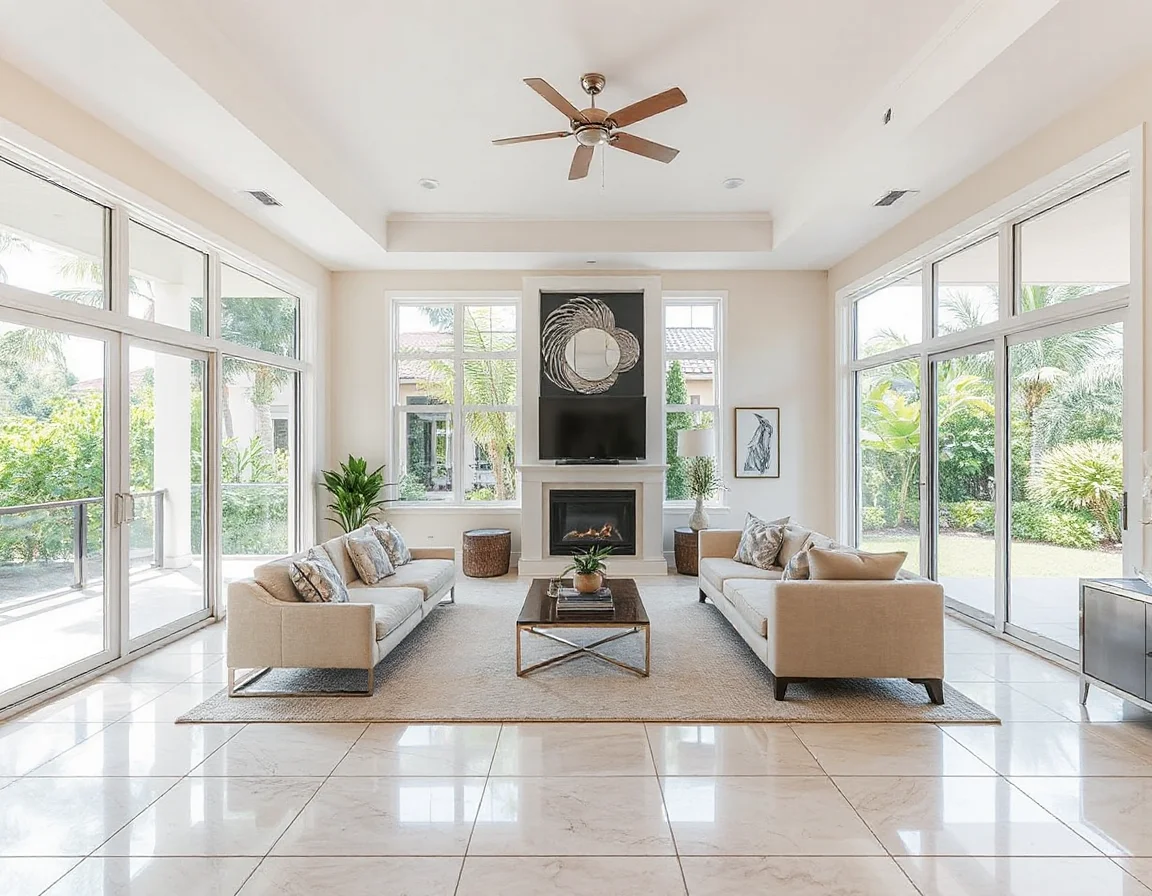
A prepared buyer is often easier for an owner to take seriously. That preparation can include a current pre-approval or proof of funds, a realistic timeline, and a clear understanding of preferred terms. For example, an owner may value a flexible closing date, a leaseback period, limited contingencies, or certainty that the buyer can proceed. None of those factors should replace appropriate inspections or professional advice, but they can shape a stronger, more organized offer.
It is also important to recognize that off-market does not necessarily mean less competition. A well-located or distinctive home can attract interest from several buyers through private channels. Instead of assuming there is room to negotiate aggressively, focus on the complete offer: price, financing, deposits, contingencies, closing schedule, and the practical details that make the transaction easier to complete.
Buyers should also compare a private option against active inventory. A home may feel rare because it is not on a large search site, yet a comparable public listing could offer better value, more transparent pricing, or features that better match the buyer’s priorities. The goal is not merely to gain access; it is to make a well-supported decision.
Browse current South Florida homes
Why Some Sellers Choose a Private Route
Sellers may consider off-market exposure for practical reasons. Privacy can be important during a job change, estate transition, renovation period, or personal scheduling situation. Some owners prefer to limit showings while they gauge likely demand. Others want to connect with a small group of prepared buyers before investing in photography, staging, broad promotion, and a full public launch.
A private approach can also be useful as part of a larger listing strategy rather than an all-or-nothing decision. An owner might begin with limited outreach for a defined period, review the feedback, then move to a full market launch if needed. Setting expectations before that process begins is essential. The seller should understand who will receive the property information, what details will be shared, how showings will be managed, and when the strategy will be reassessed.
The tradeoff is exposure. Public marketing can place a property in front of a broader audience, which may increase the chance of multiple offers or reveal demand that was difficult to predict. A private sale can offer more control, but less visibility may mean fewer price comparisons from active buyers. The right choice depends on the property, the seller’s timing, the condition of the market, and the owner’s priorities.
For sellers, discretion works best with a deadline: decide in advance how long private outreach will run and what results would trigger a broader launch.
Pricing remains central in either format. An owner should not rely solely on an appealing private conversation or an unverified number. A detailed review of closed sales, competing homes, upgrades, condition, and location-specific factors creates a more useful starting point. In South Florida, that review may also include association fees, rental policies, hurricane-readiness improvements, insurance costs, and the condition of major systems.
Building a Smart Off-Market Strategy
The strongest off-market strategies are organized rather than secretive. Buyers benefit from clearly communicating their search parameters, budget, timeline, and non-negotiable property features. Sellers benefit from defining the desired level of privacy, preferred showing process, target price range, and plan for responding to interest. Both sides benefit when expectations are documented and the transaction remains professionally managed.
Florida Elite Homes and Coryn Mock work across a broad South Florida service area, from Miami to Palm Beach, with experience in traditional purchases, sales, rental representation, and private-market conversations. That range matters because the best next step is not always the same from one property or transaction to another. Sometimes the right move is a public listing with comprehensive exposure; sometimes a measured private outreach period can provide useful information first.
Whether a home is publicly listed or shared through a private network, a successful transaction comes down to informed choices. Review the numbers, understand the property, communicate clearly, and keep a practical backup plan. Off-market opportunities can be valuable additions to a real estate search or selling strategy—especially when they are approached with the same care, transparency, and preparation as every other important move.