A compelling Davie home is more than an attractive kitchen or a well-staged living room. Before making an offer, look closely at lot conditions, insurance details, major systems, permits, and the everyday features that influence ownership costs. A careful review now can help you write a more informed offer and plan confidently for the years ahead.
Start With the Property’s Everyday Foundations
Davie offers a distinctive mix of established residential streets, equestrian character, newer construction, and homes with larger outdoor areas than many nearby South Florida communities. That variety is a major part of the appeal, but it also means two homes with similar square footage can have very different maintenance needs, insurance profiles, and long-term value considerations. Before focusing on cosmetic upgrades, take time to understand how the home works from the ground up.
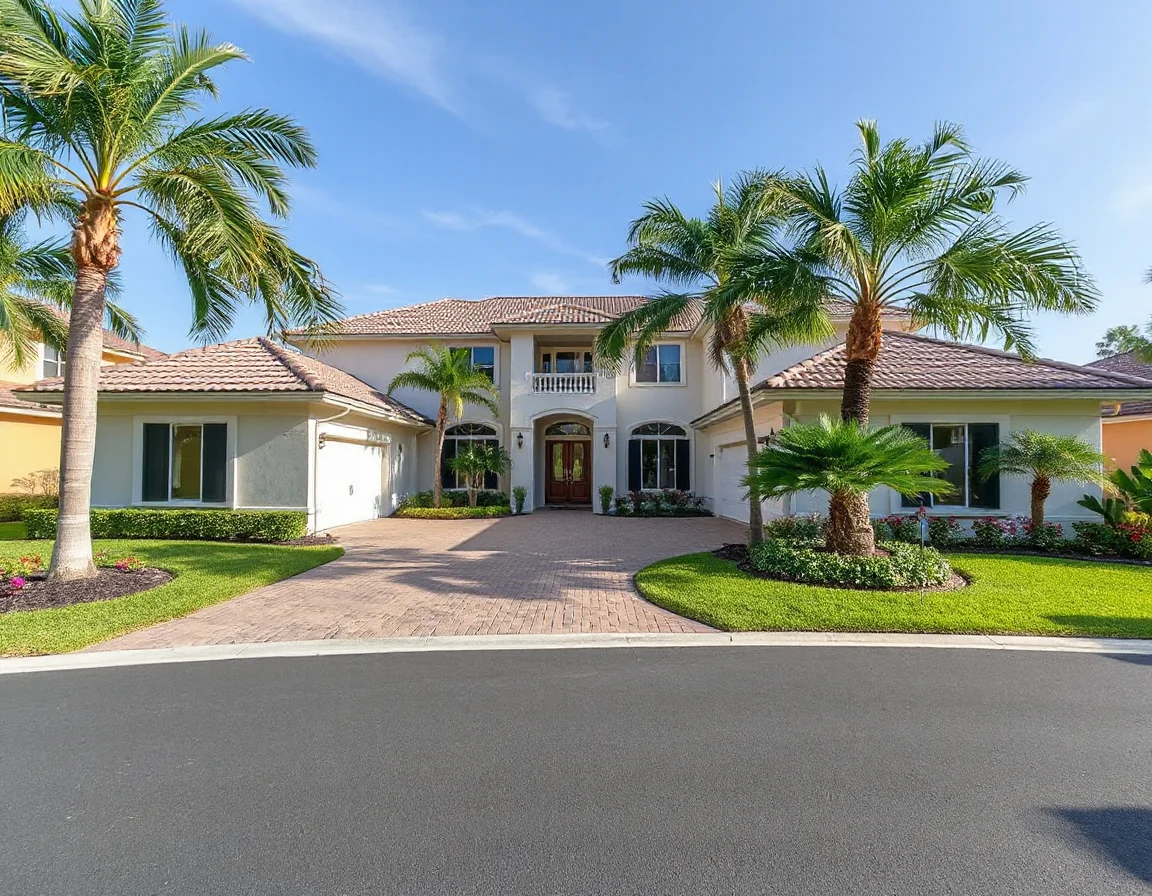
1. Roof age and wind-mitigation features. In South Florida, the roof is often one of the first items lenders, insurers, inspectors, and buyers evaluate. Ask for the roof installation date, permit records when available, transferable warranty information, and any recent repair documentation. A roof that appears clean from the street can still need a detailed inspection, particularly around penetrations, flashing, gutters, and areas beneath overhanging trees.
Wind-mitigation items matter just as much. Impact-rated windows and doors, hurricane shutters, reinforced garage doors, and roof-to-wall connections may affect both preparation needs and insurance eligibility. The exact savings, requirements, and documentation can vary by carrier, so it is wise to speak with an insurance professional early instead of waiting until the end of the contract period.
For many South Florida purchases, a current four-point inspection and wind-mitigation report can be as useful to your planning as the standard home inspection—especially when comparing insurance options before removing contingencies.
2. Drainage, grading, and the condition of the lot. Larger yards, patios, pools, detached structures, and landscaped acreage can be valuable features, but they deserve a close look after a typical rainstorm if timing allows. Watch for standing water, uneven grading, low spots near the foundation, drainage swales, clogged catch basins, or hardscape that directs runoff toward the home. Ask the seller about irrigation, septic systems where applicable, well water, drainage improvements, and routine service schedules.
Davie’s outdoor-oriented properties can include fencing, gates, sheds, barns, guest structures, or covered work areas. Each can add flexibility, but each should be reviewed for condition, permits, electrical service, and ongoing upkeep. The goal is not to assume a problem; it is to make sure the property’s visible features match its records and your intended use.
Look Past the Finish Materials
A polished renovation can absolutely add enjoyment and reduce immediate project work. Still, the most important upgrades are often the ones tucked behind walls, above ceilings, or outside the home. A thorough inspection period gives buyers time to separate attractive finishes from durable systems and to decide which repairs belong in the offer negotiation versus the future maintenance budget.
3. Electrical capacity and panel condition. Today’s homes carry more electrical demand than they did decades ago. Air conditioning, pool equipment, home offices, smart devices, EV charging, kitchen appliances, and outdoor lighting can all add up. Ask whether the electrical panel has been updated, whether there is space for additional circuits, and whether any older wiring or recalled panel components are present. An electrician can clarify upgrade scope when the inspection flags an issue.
4. Air conditioning, insulation, and humidity control. Cooling systems work hard in Davie’s warm, humid climate, making their age, maintenance history, and performance especially important. Review the installation dates of the condenser and air handler, service receipts, filter routines, duct condition, and thermostat zones. During the showing, listen for unusual cycling, inspect visible drain lines, and notice whether rooms feel consistently cooled.
Energy-efficient equipment can be a welcome feature, but efficiency depends on installation quality and the building envelope, too. Insulation, attic ventilation, window condition, and moisture management all influence comfort. Look beneath sinks, around supply vents, and near exterior doors for signs that warrant follow-up. A specialist assessment may be worthwhile if the home has persistent odors, visible staining, or a cooling system nearing the end of its expected service life.
5. Plumbing and water-related equipment. Water heaters, supply lines, shutoff valves, drain lines, pool plumbing, irrigation equipment, and filtration systems should be part of the inspection conversation. The details can differ significantly between homes served by municipal water and sewer and those using private well or septic systems. If a property has a septic system, request available service history and determine whether a dedicated inspection is recommended during due diligence.
A renovation budget should include the systems you cannot immediately see. Replacing a water heater, servicing a septic system, or updating aging electrical equipment can change the practical cost of ownership more than a cosmetic project.
For homes with pools, review the visible surface condition, coping, deck drainage, heater, pump, filter, automation equipment, and safety features. A pool inspection can provide a more focused evaluation than a general home inspection alone. The same approach applies to docks, generators, solar equipment, and outdoor kitchens: request records, understand operating costs, and confirm who has serviced the equipment.
Confirm Rules, Records, and Future Flexibility
Some of the most consequential home-buying questions are administrative rather than visual. A property may look ready for your plans, yet local rules, association requirements, permit history, or financing conditions can affect what is possible after closing. Build enough time into the contract period to review the documents that support the home’s story.
6. Permits, improvements, and usable space. When a home includes a converted garage, enclosed patio, addition, guest suite, detached building, or substantial outdoor improvement, ask for permit documentation and final inspections where applicable. Square footage listed in marketing materials, tax records, appraisal reports, and permitted plans may not always align precisely. Your agent, inspector, lender, appraiser, and local professionals can help identify questions that need clarification.
7. Association rules, zoning, and ownership costs. Some Davie properties are in homeowners’ associations while others are not. If an HOA is involved, review its budget, reserves, rules, rental policies, application process, assessments, insurance responsibilities, and restrictions related to exterior changes. If there is no HOA, local zoning and municipal regulations still matter, particularly for accessory structures, parking, fencing, animals, home-based workspaces, and future improvements.
Also estimate the complete monthly picture: mortgage payment, property taxes, homeowner’s insurance, flood insurance when required or desired, association dues, utilities, lawn care, pest service, pool care, and reserve funds for future repairs. A home that fits the purchase budget should also fit the ownership budget with room for the normal surprises that come with maintaining property in a tropical climate.
Use the Offer Period to Ask Better Questions
Making an offer does not mean overlooking concerns; it means organizing them. A strong approach begins with a clear comparison of recent sales, current competition, property condition, days on market, and the seller’s disclosures. From there, inspection and document review can help you identify which items are routine maintenance, which deserve a repair request or credit discussion, and which could affect your willingness to proceed.
Florida Elite Homes and Coryn Mock work across a broad South Florida area, helping buyers evaluate both traditional listings and off-market opportunities. For a Davie purchase, the right guidance can help keep the process focused on relevant property facts, realistic timing, and the questions that matter before commitments become final. A well-prepared offer is not only about price—it is about understanding the home you are buying.
Talk through your Davie home search
Before you make an offer, return to the seven essentials: roof and wind protection, lot drainage, electrical capacity, cooling performance, plumbing systems, permits, and rules or ownership costs. Bringing these details into view early can turn a beautiful showing into a better-informed decision—and help you move forward with a practical plan for the home’s next chapter.